
The traditional Japanese diet is among the world’s healthiest. With its naturally low calorie intake and abundant fermented foods, Japan has a low obesity rate and a high life expectancy. Rather than restricting foods, Japanese cuisine emphasizes balance, variety, seasonal ingredients, and gut-friendly preparation.

So What Makes This Way of Eating So Effective?
Japanese food aids digestion and metabolism through probiotics, fiber-rich ingredients, and small portions. Here are some key traditional foods to consider for weight control, improved digestion, or overall health.
Okara
Okara is fibre-dense and nutrient-rich, produced as a by-product of soy milk and tofu. Historically, Japanese tofu makers transformed okara into nourishing dishes, celebrating its heritage and versatility. It is packed with fibre, iron, omega-3 fatty acids, calcium, potassium, magnesium, vitamin K, and vitamin B2. In Japan, it is commonly used in a side dish called unohana. Okara can also replace flour in baking for muffins, cookies, and pie crusts.
Natto
Natto, made from fermented soybeans, is among Japan’s most potent probiotic foods. It aids digestion, immunity, heart health, and gut motility due to its enzyme and vitamin K2 content. Mustard, soy sauce, or wasabi can mellow its flavour. Despite its strong aroma and sticky texture, natto is a must-try.
Tofu
Tofu is a staple protein source. It is lower in calories than meat but still provides all essential amino acids. Tofu is also rich in important vitamins and minerals. When lightly fermented, tofu introduces beneficial bacteria into the gut, helping balance gut flora and supporting digestion.
Tsukemono
Tsukemono, or Japanese pickled vegetables, is an everyday probiotic that is served with nearly every traditional meal. Made from a variety of vegetables like cucumbers, daikon radishes, and purple cabbage, tsukemono provides fibre, vitamins, and beneficial bacteria. The fermentation process creates probiotics that aid digestion and help maintain a balanced gut environment. These aid digestion and nutrient absorption. Their vibrant colors and diverse ingredients reflect the Japanese belief that dietary diversity supports long-term health.
Konjac and Shirataki
Konjac comes from the konjac plant root and is exceptionally high in fiber yet very low in calories. Shirataki noodles, made from konjac, are often used as a light substitute for pasta. Both promote fullness; eat them mindfully to ensure adequate nutrition.
Amazake
Amazake is a traditional fermented rice drink with little or no alcohol. Naturally sweet, it is rich in probiotics, amino acids, digestive enzymes, and B vitamins, which support healthy digestion and energy. It’s enjoyed chilled in summer and warm in winter.
Japanese Green Tea
Japanese green teas like sencha and matcha are high in antioxidants, particularly catechins. Catechins support gut health by reducing inflammation in the digestive tract and promoting a balanced gut microbiome. In addition to catechins, green tea encourages hydration and serves as a healthy alternative to sugary drinks. Most variants can also be brewed in cold water, making them ideal for warm climates.
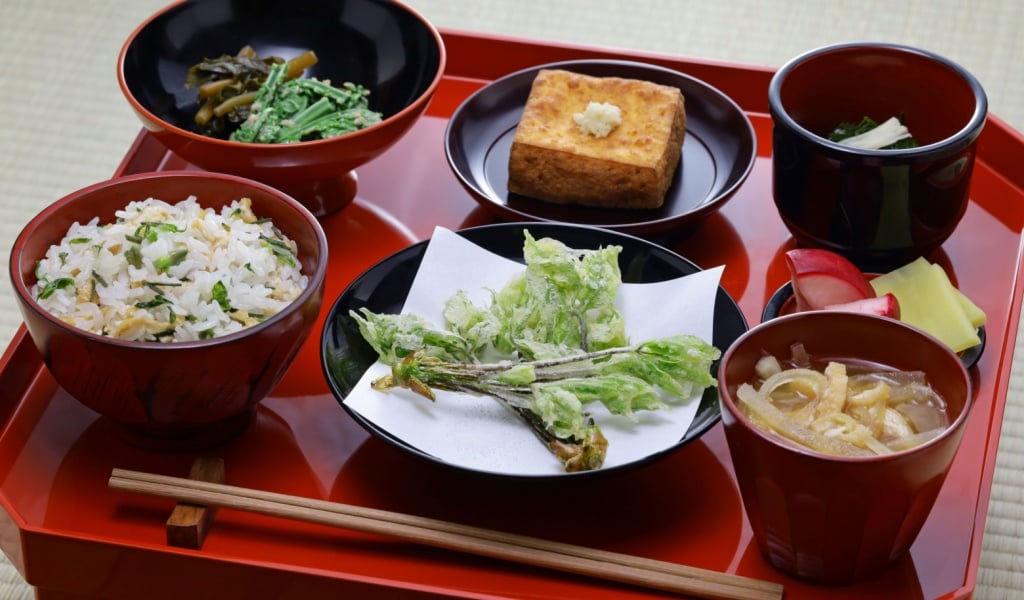
Japanese Sweet Potatoes
Roasted Japanese sweet potatoes (yaki-imo) are naturally sweet and nutrient-dense, rich in vitamins A, C, and E, which support immune function and act as antioxidants. They are a staple in Okinawa, a region noted for longevity, and provide a dessert-like flavor as a whole vegetable.
Agar-Agar
Agar-agar is a plant-based jelly made from red algae. It contains no calories and is composed mainly of soluble fibre. The soluble fibre forms a gel in the gut, which aids digestion by supporting regularity and acting as a prebiotic. Agar-agar is traditionally used in anmitsu, a Japanese dessert made with fruit and red azuki beans.
Miso
Miso is a fermented soybean paste used most commonly in miso soup. The fermentation process produces miso with live probiotics that can help balance gut bacteria and support better digestion. To preserve its beneficial bacteria, add miso to warm water, not boiling.
Rice
Japanese rice is soft, grounding, and easy to digest. When cooled after cooking, it forms resistant starch, which acts as a prebiotic fibre by feeding beneficial gut bacteria and supporting digestive comfort.
Conclusion
The Japanese diet’s strength is its simplicity and balance. Meals naturally combine probiotics and prebiotics, which work together to nourish the gut. This gut support helps with metabolism, energy, and longevity. This approach encourages mindful eating, variety, and respect for the body instead of strict rules.
Healing starts with small, consistent choices. A bowl of miso soup, fermented vegetables, or green tea are simple habits that can yield lasting benefits.