
Protein bars have exploded in popularity over the past ten years. What started as a special product for athletes has eventually become a pantry essential for gym-goers, busy professionals, students, and health-conscious individuals.
These protein boosts promise convenience and portability, all packed into a crunchy or chewy snack. However, the real question is, are protein bars truly healthy? And if they are healthy, how do you pick one that actually supports your nutritional and wellness goals? Let us explore these questions based on expert analysis and scientific research to get genuine answers.
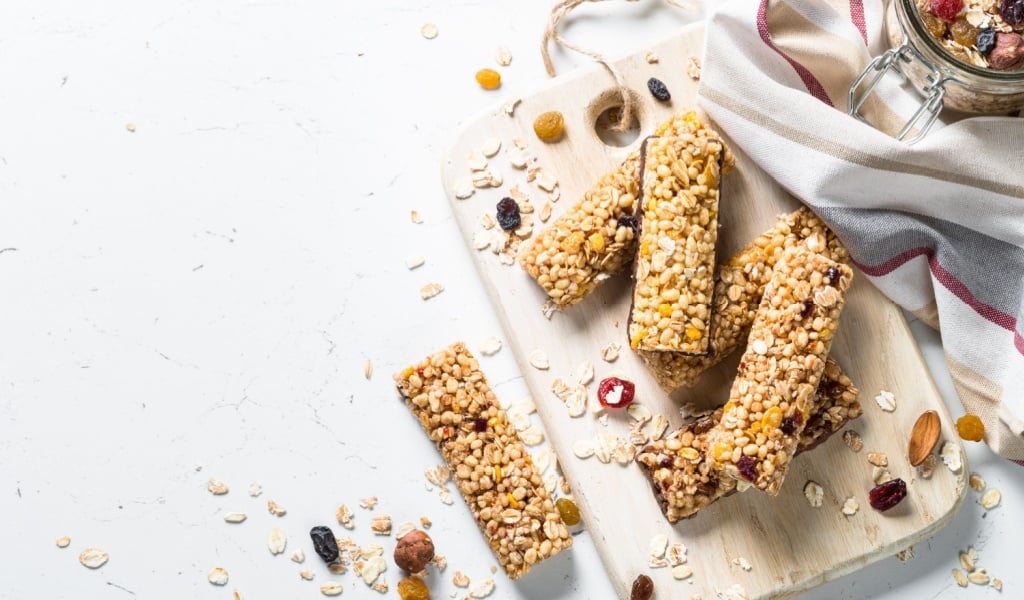
What Makes Protein Bars Look Healthy and What Doesn’t
On the surface, protein bars seem like a great idea. They are often marketed as health foods, with labels that highlight “high protein,” “low sugar,” or “meal replacement.” However, not all protein bars are made equally. The actual nutritional content depends heavily on the ingredients and processing.
When Are They Healthy?
Protein bars can be a great supplement to a balanced diet when made with high-quality ingredients and minimal additives, particularly for those who struggle to meet their protein needs solely through whole meals. As per expert advice, healthy protein bars should:
- Provide a sufficient amount of protein, generally 10-15 grams, but closer to 15–20 grams for athletes or active individuals. This amount supports muscle repair and helps you feel full for longer.
- Include fiber, ideally 3 grams or more, to support digestion and help maintain steady blood sugar levels.
- Use whole-food ingredients, like nuts, seeds, oats, or dried fruit, rather than synthetic compounds.
- Include healthy fats from natural sources rather than saturated or trans fats.
- Substitute added sugar with natural sweeteners such as allulose, stevia, or monk fruit.
If these requirements are met, protein bars can help people with:
- Muscle growth and recovery, especially following workouts.
- Weight management and appetite control, since protein and fiber both help you feel full.
- Convenience for busy lifestyles, providing a quick, portable source of nutrition when whole meals are not feasible.
Under the right conditions and with the right ingredients, protein bars can be a healthy and useful addition to your diet.
When Are They Unhealthy?
Despite the marketing, many protein bars are not as healthy as they look. In fact, some have a nutritional profile closer to that of candy bars than to that of healthy snacks. The Environmental Working Group warns that many popular protein bars contain unhealthy fats, ultra-processed ingredients, high levels of added sugar, and artificial sweeteners, all of which could compromise the perceived health benefits of these products.
Ultra-Processed Ingredients and High Sugar Content
Protein bars contain highly processed ingredients, making them unrecognizable foods. These ultra-processed ingredients in protein bars can reduce nutrient density, provide fewer vitamins, fats, and fiber, and boost carb content.
Many protein bars contain added sugars and artificial sweeteners, including high-fructose corn syrup, erythritol, and sucralose. Such ingredients can:
- Raise the overall sugar content of the bar, occasionally equating it with a candy snack.
- Cause blood sugar spikes, which over time may lead to increased appetite, and contribute to weight gain.
- Cause health issues such as fatty liver, insulin resistance, cardiovascular risks, and metabolic disease.
Added sugars are often veiled under multiple names, such as cane juice, syrups, and sugar alcohols. However, a protein bar that appears low in sugar might still contain hidden sweeteners.
Artificial Additives and Sweeteners
Even bars labeled “low sugar” may still use artificial sweeteners to preserve flavor. These ingredients can be challenging for the body to digest, and some people may experience digestive discomfort or bloating.
Additionally, ultra-processed bars also often contain preservatives, emulsifiers, and oils such as palm or canola oil. While theseadditions help preserve texture and shelf life, they pack calories and may cause inflammation or worsen gut health if consumed frequently.

How to Choose a Truly Healthy Protein Bar
The key to picking a healthy protein bar is to read the label and be aware of the ingredients. Here is how to do it like a pro:
Check The Protein Content
Choose bars that contain at least 10–15 grams of protein. This helps repair muscles and gives you a longer-lasting feeling of fullness.
Minimal Added Sugar
Protein bars with less than 8 grams of added sugar, or none at all, are most likely to promote stable blood sugar levels and cut down on excess calories.
Look For Whole-Food Ingredients
Familiar ingredients such as oats, nuts, seeds, dried fruit, or whey are better than a long list of chemicals and synthetic names. Whole foods offer nutrients and fiber that support healthy digestion and overall health.
Avoid Highly Processed Additives
Avoid ultra-processed oils, preservatives, artificial flavors, emulsifiers, and polyunsaturated additives, which offer minimal nutritional benefit and may cause digestive or metabolic issues if consumed frequently.
Look For Fiber and Healthy Fats
Protein bars with 3 grams or more of fiber are more filling and promote digestive health. Healthy fats from nuts or seeds contribute to energy production.
Protein Bars vs. Whole Foods
Even if a protein bar meets all the criteria for being “healthy”, it is still processed food, and it is not a replacement for whole meals. Whole foods such as eggs, yogurt, nuts, seeds, lean meats, beans, lentils, and whole grains are protein-rich, offer full nutrition, and have minimal additives. These should be the cornerstone of a balanced diet. Whole meals generally offer more vitamins, minerals, fiber, and antioxidants than even the greatest protein bars.
Instead, protein bars are best used:
- As a supplement, not as a replacement for wholesome meals.
- As an easy-to-eat snack when you are on the go.
- As a post-workout fuel when you have no access to whole foods.
Conclusion: Are Protein Bars Healthy?
The quick answer? They can absolutely be healthy, but only if you choose wisely. Protein bars are not inherently good or bad. The way they are made and how they fit into your overall diet determine their healthfulness.
Healthy protein bars offer a significant amount of protein, healthy fats, fiber, less added sugars, and mostly whole-food ingredients. On the contrary, less healthy ones are high in sugar, ultra-processed, and are loaded with additives that could be harmful to your health.
The next time you grab a bar, take a moment to carefully read the label and think if it can help your health goals or just satisfy a craving with a “healthy” label.