For nearly two years, my weight remained unchanged. Despite meticulously counting calories and being mindful of my eating habits, the scale still wouldn’t budge. This stagnation began to affect my self-confidence, leaving me stressed and hopeless about losing weight. After conducting research and seeking expert guidance, I finally identified the issue: hidden calories and the mistaken belief that solely counting calories would lead to weight loss.
If this sounds familiar to you, you are clearly not alone. Even for those of us who make calorie counting a practice, it is easy to underestimate what we actually consume. We often think we are in a calorie deficit when, in reality, we are eating more than we realize.
So, What Are Hidden Calories?
Hidden calories are those we consume without being fully aware of them. Many people, including myself, have fallen into their trap. Some common examples include cooking oil, milk in your coffee, or margarine on your toast. We often overlook these minor add-ons, but they can quickly add up and silently sabotage your weight loss progress.
Let’s explore some of the main culprits behind hidden calories:
Sauces, Dressings, and Condiments
That creamy salad dressing or tangy sauce may seem harmless, but they are often loaded with oil, sugar, and preservatives. Even healthy salads can turn into calorie bombs when drenched in dressing! Try replacing store-bought dressings with lighter options like Greek yogurt, lemon juice, balsamic vinegar, or homemade vinaigrettes.
Beverages: The Liquid Traps
Liquid calories are among the easiest to overlook because they don’t make you feel full, but can significantly increase your calorie intake. Fruit juices, store-bought smoothies, and fancy coffee drinks often contain copious amounts of sugar and fat. Instead, opt for black coffee, green tea, or infused water. If you love smoothies, make them at home with fresh fruit, unsweetened milk, and no added sugar.
Healthy Snacks That Aren’t So Healthy
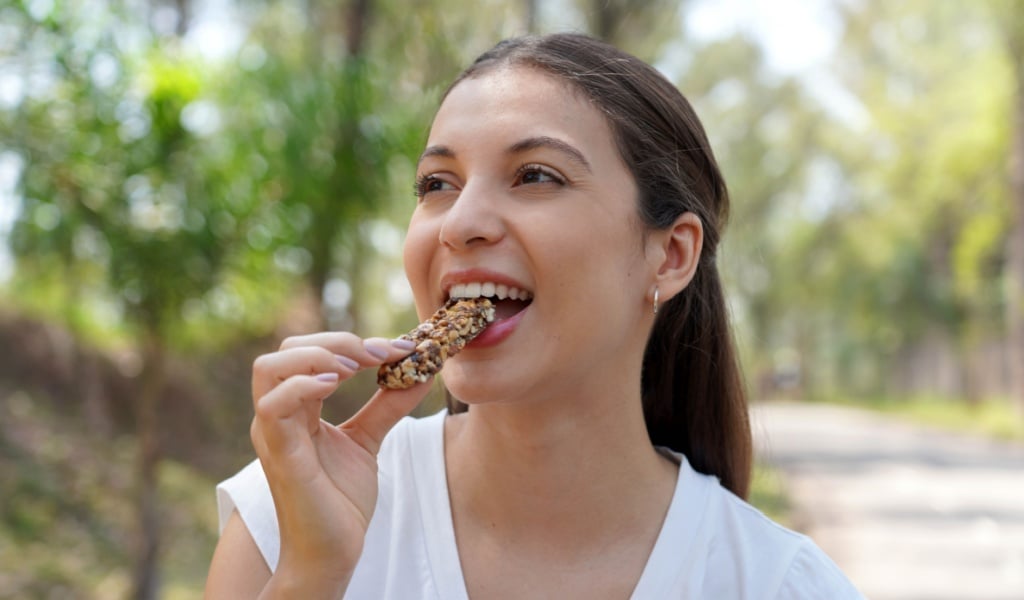
Many packaged snacks labeled as low-fat, organic, or energy-boosting often contain high levels of sugar and fat. Things like granola bars, trail mix, and veggie chips can easily add more calories than you expect. Choose raw nuts, homemade popcorn, or fresh fruits instead, and always read nutrition labels carefully!
Cooking Oils and Butter
A drizzle of oil or a spoonful of butter can turn a light meal into a calorie-heavy dish. Even though healthy fats are essential, calories still count. Most people pour oil directly from the bottle without measuring, unknowingly consuming double or triple the intended amount. Use cooking sprays, measure oils with a teaspoon, or choose non-stick cookware to minimize the necessity for extra fat.
Hidden Sugars in Everyday Foods
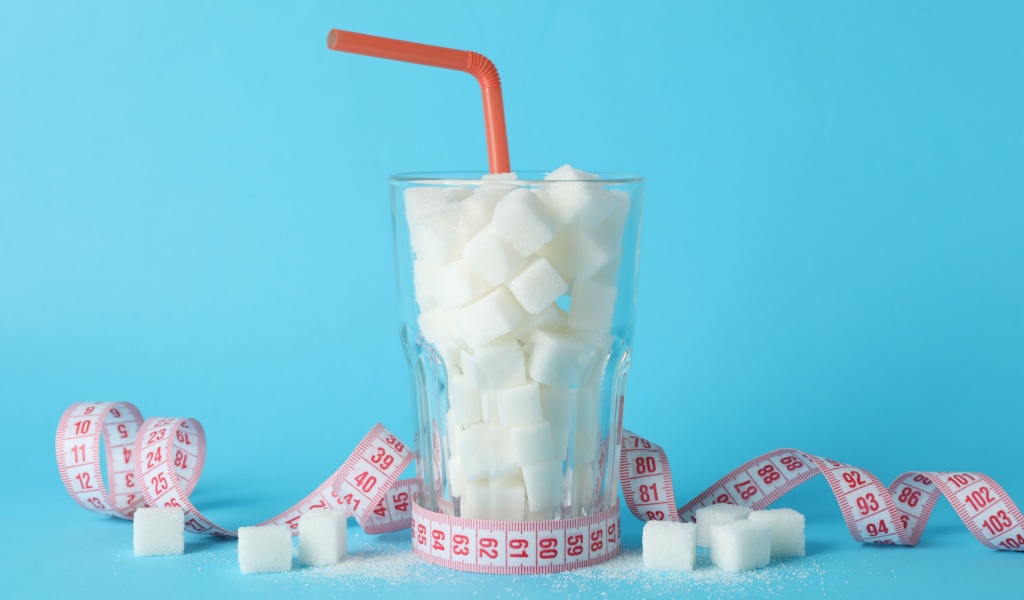
Sugar hides under many names, such as glucose syrup, maltose, dextrose, or cane juice, making it tricky to spot. Flavoured yogurts, breakfast cereals, and condiments like BBQ or pasta sauces often contain more sugar than we think. Always check ingredient lists and choose plain yogurt sweetened naturally with fresh fruits or honey.

Restaurant Meals and Takeaways
Even healthy menu items can be misleading. Restaurants use an abundance of butter, oil, salt, and sugar to enhance flavour, and the portions are usually much larger than what you would serve at home. Request dressings on the side, choose grilled or steamed dishes, and avoid deep-fried sides whenever possible. If you feel like indulging, share one dessert with friends!
Nuts, Seeds, and Nut Butters
Though nutritious, nuts and nut butters are calorie-dense and easy to overeat. A few extra spoonfuls can quickly add up to hundreds of calories! Measure your portions carefully; a small handful of nuts or a tablespoon of nut butter is usually enough.
Low-Fat and Diet Foods
One of the biggest pitfalls of a healthy diet comes from being duped by misleading labels like “fat-free” and “sugar-free.” When fat is removed from food, sugar or starch is often added to improve taste, and vice versa. As a result, low-fat or diet versions can sometimes have more calories or less satiety than their regular counterparts. It is always better to focus on real, whole foods rather than processed diet products.
The ‘Just One Bite’ Phenomenon
A common trap! It is not only what you eat during meals that matters, but also what you nibble on throughout the day. A bite of a cookie, a sip of a milkshake, or a spoonful of leftovers might not seem like much, but they add up when the ‘just one bite’s keep coming. Be mindful of every bite and eat consciously rather than constantly snacking throughout the day.
Final Thoughts
Hidden calories can easily derail your fitness journey without you even realizing it. The key is not to obsessively count every calorie but to build awareness and mindful eating habits. A crucial reminder: read nutrition labels, measure portions, cook more at home, and stay hydrated.
Once you start recognizing where your calories come from, you gain control over your diet and your results. Remember, it is not just about what you eat, but how much and how mindfully you eat that truly makes the difference!