
If you have ever scrolled through health content online, you probably noticed berberine being referred to as “nature’s Ozempic.” Certainly, this catchy label makes it seem like a natural substitute for one of the most talked-about weight-loss and blood-sugar medicines today. But what is real and what is hyped? Let us unpack all you need to know about berberine, from science to benefits, safety to limitations.

What Is Berberine?
Berberine is a natural compound found in many plants, such as barberry, Oregon grape, goldenseal, and Chinese goldthread. It has been used in traditional Ayurvedic and Chinese medicine for hundreds of years to treat a wide range of health conditions, including infections, digestive problems, inflammation, and wound healing.
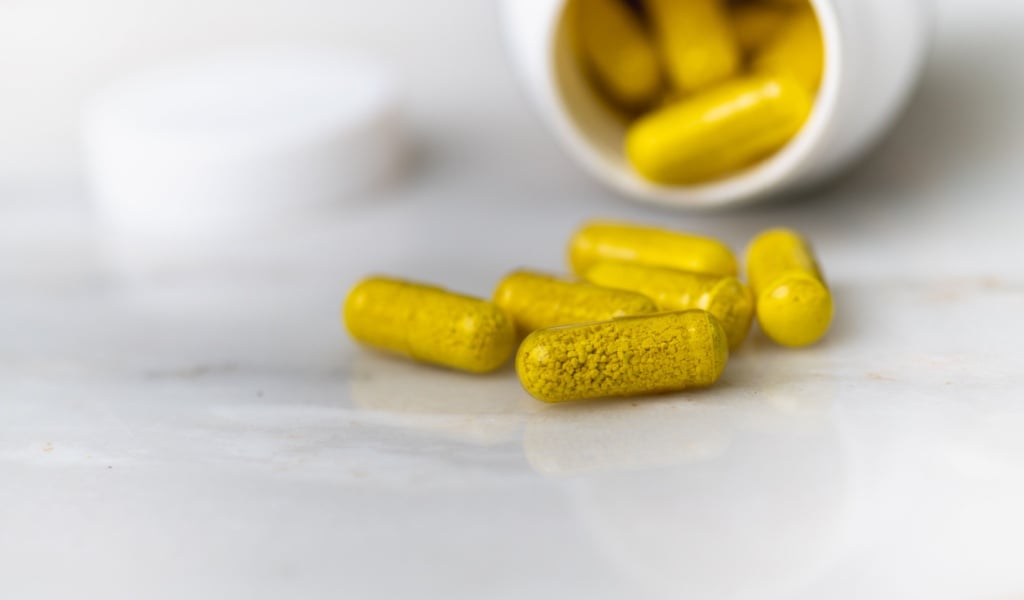
Currently, berberine is marketed as a dietary supplement, typically in tablet form, with recommended doses of approximately 500 mg taken twice to three times daily. Since it is not a prescription drug, it is not regulated by authorities like the U.S. Food and Drug Administration.
Why Is It Called Nature’s Ozempic?
The term “nature’s Ozempic” derives from the belief that berberine may help address health concerns similar to those addressed by Ozempic, a prescription medication (semaglutide). It is originally intended to regulate blood sugar in type 2 diabetes and is now commonly used for weight loss. Ozempic works by mimicking the GLP-1 hormone, which promotes satiety and slows gastric emptying, resulting in lower blood glucose levels and body weight.
However, berberine is less effective than Ozempic. Instead of acting on GLP-1 receptors, berberine primarily activates an enzyme called AMP-activated protein kinase (AMPK). It is often referred to as a “metabolic master switch” that balances the energy, fat storage, and glucose processing.
Although Ozempic and berberine may affect metabolism and blood glucose levels, they act through distinct mechanisms. Despite being appealing, it is more about viral marketing than scientific accuracy.
What Does Science Say About Berberine?
The research on berberine is encouraging but scant, particularly when compared to well-researched prescription drugs like Ozempic. Here’s what science has discovered so far:
Metabolic and Blood Sugar Control
In particular, for individuals with type 2 diabetes, Berberine has been shown to improve insulin sensitivity and lower fasting blood glucose levels. Certain clinical studies have reported reductions in key markers, such as HbA1c and insulin resistance, comparable to those observed with the diabetes drug metformin, another commonly used oral medication. Therefore, it suggests that berberine may help regulate blood sugar.
Still, precisely how strong and consistent these benefits are across populations remains unknown, as research on berberine has used small sample sizes and short durations.
Heart Health and Cholesterol
Berberine appears to improve lipid profiles, potentially raising HDL (good) cholesterol and lowering LDL (bad) cholesterol and triglycerides (fats in the blood). Moreover, cardiovascular health may benefit from this, particularly for those with metabolic disorders.
Although some studies compare its effects with those of cholesterol-lowering drugs like statins, more research is needed before berberine can be recommended as a substitute for standard treatments.
Weight and Body Composition
Berberine’s status as a natural weight-loss aid is primarily based on its metabolic effects rather than its direct appetite-suppressing action, as with Ozempic. According to some studies and short-term clinical trials, regular supplementation (typically 1 g daily for at least 8 weeks) is associated with modest reductions in body mass index (BMI), body weight, and waist circumference.
However, experts warn that although these effects are promising, they are considerably less impressive and reliable than those of prescription medications such as GLP-1 agonists. Furthermore, it lacks any large-scale evidence of significant weight loss in individuals.
Other Potential Benefits
Beyond metabolism, berberine may affect the gut microbiome, the community of bacteria in the digestive system, which could influence digestion and inflammation. Research is ongoing, and these effects may eventually benefit conditions ranging from chronic diseases to GI disorders, but the evidence remains preliminary.
Safety, Side Effects, and Precautions
Even though it is natural, berberine is not always safe for everyone. As a dietary supplement, it is not subject to the same quality and purity reviews as pharmaceuticals prior to sale. Thus, products can differ greatly in their quality and purity. A few of the common side effects include:
- Gastrointestinal discomfort, including nausea, gas, bloating, constipation, or diarrhea.
- Headaches or abdominal pain.
Medicinal interactions are even more important. This is because berberine can affect how your body metabolizes drugs and blood sugar. It can interact with:
- Blood pressure drugs, blood thinners, and other liver-metabolized medications.
- Diabetes medications that could cause the blood sugar to go way too low.
Furthermore, Berberine is also not advised for children, pregnant or breastfeeding women, given the safety concerns and lack of research for these particular groups. Undoubtedly, you should check with your healthcare provider, especially if you take any medications or have any medical conditions, before considering berberine.
Natural, but Not Magic
So is berberine truly “nature’s Ozempic”? The answer would be “not really”. Here’s why?
- Berberine has been shown to support lipid metabolism and blood sugar control.
- When paired with lifestyle changes, it may modestly promote weight loss in some individuals.
- Berberine’s biological effects are mediated by AMPK activation, not by stimulating the GLP-1 receptor, as Ozempic does.
- It is not a medication but a supplement, which means it is less regulated, more variable, and offers no guarantee of results.
In short, berberine may benefit metabolic health, but it is not a direct natural substitute for a prescription medication such as Ozempic. If you are curious about Berberine as marketed and are willing to try it, consult a medical professional before doing so. They will help you determine if it fits your health profile, as what works for one individual may not work for another.
Bottom Line
Conclusively, Berberine’s rise as a popular wellness trend is an excellent example of how effective marketing and social media can be. However, it also underscores the importance of clinical evidence and scientific context.
Whether you’re looking for healthier cholesterol, improved blood sugar control, or support with weight management, berberine may help. However, it also comes with certain limitations. You can consider it a potential supplement to support health goals, rather than a magic or miracle substitute for verified medical treatments.