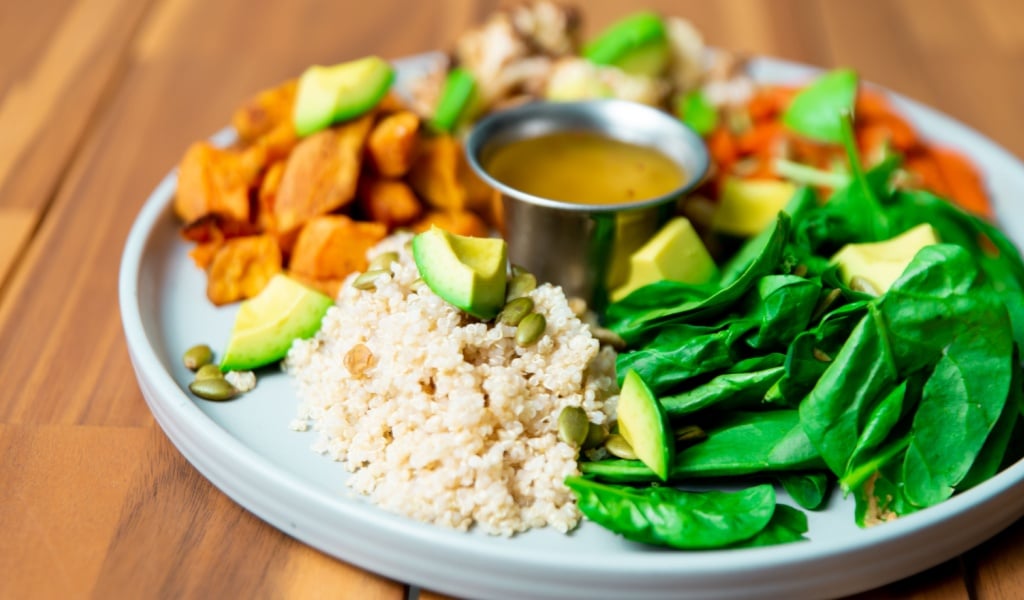
Have you ever been to a buffet and struggled to find anything healthy? If so, this is for you.
A healthy body is one of your wealthiest assets. Some of us are very choosy about what we eat, and sometimes that’s a good thing because it helps us make healthier choices. But this is not the case with most of our family members, especially kids and teens. They often prefer chips, burgers, and other junk food. Of course, they are not to be blamed! Social media, advertisements, and peer pressure make these junk food options seem irresistible.

As a parent or caregiver, it can be frustrating and tricky to make meals that are both healthy and exciting for picky eaters. You are excited to eat more whole foods and delighted to share a healthy meal with your family. You spend hours finding the best recipe, shopping, and preparing it, but it all seems in vain. When you finally call your partner and kids to the table, you hear groans and complaints about how yucky and green everything looks. No one wants to eat what you have made.
This can be quite upsetting, and you might feel like giving up and going back to making Hamburger Helper, greasy tacos, or the usual family favorites. But is the situation truly hopeless, or is there a way to encourage your family to eat healthier without all the complaints?
To help you with this challenge, here are some great tips for transitioning from a standard Western diet to a whole-foods-based diet.
Getting Your Picky Eaters to Love Whole Foods
Teach Them Why Whole Foods Matter
The first step is helping them understand why these foods are important. Educate your family, whether they are young children or adults, about nutrients, healthy bodies, and the wide range of benefits that whole foods provide to build strong bodies and minds.
Show Them Where Food Comes From
Take your family to visit a local farm. Let them taste fresh vegetables straight from the ground or vine, see where milk comes from, and pick fruits directly from trees. Compare this with how processed foods are made. This helps them understand how whole foods are better for our bodies, the environment, and animals.
Make Small Changes To Their Normal Meals
If your family is used to foods like spaghetti and pancakes, gradually switch to whole grains. Start by making the switch more subtle and gradual, gradually increasing the ratio of whole grains to refined grains so they can get used to the taste and texture. You can also swap unhealthy snacks and sauces for healthier or organic alternatives.
Encourage Whole Food Snacking
Make healthy snacks easily accessible. Keep fruits like apples or watermelon ready, or offer options like celery with peanut butter. These are simple, tasty, and much healthier than chips, candy, and sugary drinks.
Take Them Shopping And Let Them Choose
Bring your kids and other family members along when shopping. Let them pick fruits, vegetables, or a healthy treat. Teach them how to read nutrition labels so they can become aware of the food they choose to nourish themselves. When they are involved in the process, they are more likely to feel excited and less resistant.
Sneak In Vegetables When You Can
Add greens to smoothies, blend vegetables into soups, or finely chop them into dishes like lasagna or homemade mac and cheese. Afterward, let them know what they ate, which helps them realize that healthy food can taste good.
Include Them In Meal Planning
Give them a say in what’s for dinner. If they want tacos, find ways to make them healthier with whole-food ingredients. Set a time to sit down with them and create a meal plan for the week. Help them evaluate their options and figure out alternatives where needed. Let them help choose what goes into the meal so they feel involved and empowered.

Keep It Positive
A one-bite rule can help, but avoid forcing or pressuring them. Make meals enjoyable and visually appealing. A positive experience goes a long way in building healthy habits.
Have Realistic Expectations
Not everyone will switch to healthy eating overnight. Some may take longer, and that is okay. Focus on making it a gradual, positive experience rather than forcing change. Your goal should be to educate, inspire, and empower your family to make better food choices.
Celebrate Small Victories
Every win is worth celebrating, no matter how small, like when a child tries a new vegetable or chooses a healthy snack. Positive reinforcement helps build confidence and makes healthy eating rewarding.
Role Modeling Healthy Behaviors
Children are more likely to adopt healthy eating habits when they see adults making nutritious choices. Be a positive role model by enjoying balanced meals and trying new foods together.
Dealing with Food Sensitivities and Allergies
It’s important to consider allergies and food sensitivities when planning meals for children. Always communicate with caregivers and, when possible, involve children in choosing safe, healthy alternatives. For example, if a child is allergic to nuts, try seeds or soy-based options to ensure balanced nutrition without risk.
In Conclusion
Changing your family’s diet can feel challenging at times, especially when you are met with resistance at every turn. Stay patient, manage any frustration, and keep a positive mindset as you move forward.
For some, it may take time to accept new foods, while others may adapt more quickly. Make space for everyone’s pace at the table. By creating a supportive and encouraging environment, you can gradually improve your family’s eating habits and set them up for a healthier future.