
Artificial intelligence (AI) is often seen as innovative or abstract, but for millions with disabilities, it’s becoming a tangible, personal tool. AI isn’t just a high-tech concept. It’s changing daily life by enhancing independence, communication, learning, and inclusion. Let’s examine how AI opens new opportunities to differently abled people and why it stands out as one of the most positive tech stories today.
The New Age of Independence
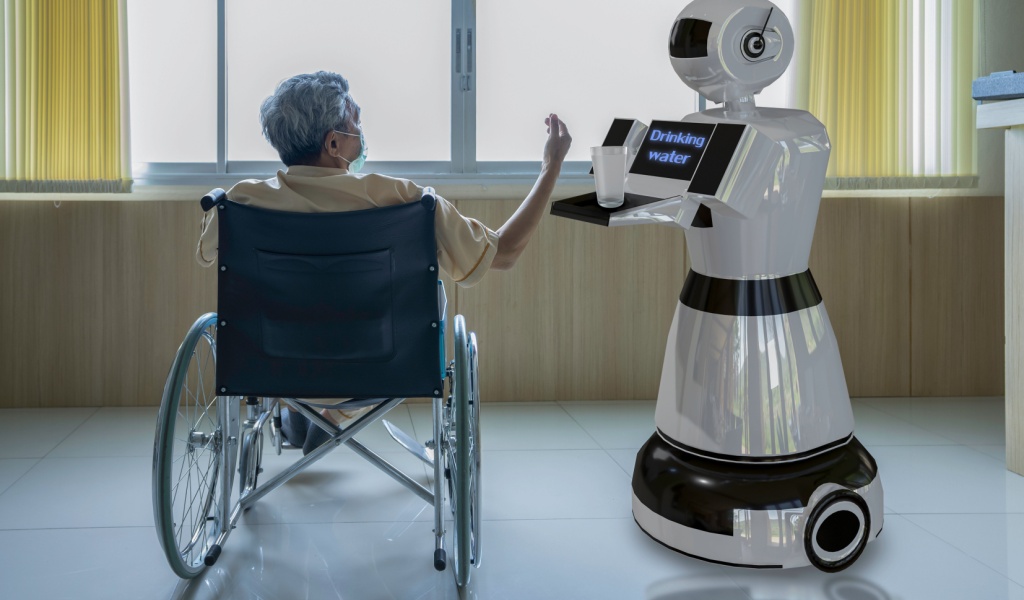
According to NeuroNav, AI isn’t limited to sophisticated robotics for people with disabilities—it’s also about daily empowerment. Voice-activated assistants now let people control lights, appliances, and schedules without lifting a finger. AI-powered apps help simplify complicated routines into manageable steps, giving those with cognitive or developmental disabilities more structure and independence.
The United Nations Regional Information Centre (UNRIC) claims that AI systems can find reachable routes, recognize voice commands, and even convert gestures into digital instructions. Imagine a person using a wheelchair identifying the best route through a city, using an AI map that indicates ramps and elevators. Technology like this enhances convenience and confidence.
Learning, Growing, and Succeeding
Education and employment are fundamental factors of independence, yet they’ve frequently been difficult to access for people with disabilities. That’s where AI comes into play. The World Economic Forum (WEF) highlights that generative AI, the same type that can write, summarize, and generate images, is powering new assistive technologies that promote personalized learning and workplace inclusion.
For pupils, adaptive learning platforms can dynamically adjust content, such as text size, reading speed, and language complexity. For professionals, AI can automate repetitive work or translate spoken input into written notes, improving team communication. UNRIC emphasizes that such developments are not luxuries but significant measures toward equal access to the job market and education.
Whether it’s a dyslexic student using an AI reader or an employee with partial mobility working remotely through AI-powered software, the outcome is the same: fuller contribution in daily life.
Personalized and Flexible Assistance
AI’s ability to adapt is one of its best features. AI systems learn from each user’s unique patterns, like a digital assistant that grows smarter over time. NeuroNav explains how AI-based monitoring tools can recognize when users need assistance and adjust support accordingly.
Wearable devices, smart home systems, and mobility assistances now integrate AI to predict requirements. They can detect exhaustion, predict falls, or even interpret brain signals to help control artificial legs. UNRIC claims that this personalization empowers people to live independently and positively.
Independence thrives when people adopt technology rather than the other way around.
Providing a Voice to All
Communication is vital for human connections, but it’s also one of the biggest obstacles many individuals with disabilities face. The good news is that AI is closing this gap. Speech-to-text and predictive-language systems can now recognize a person’s unique way of speaking, even if their pronunciation differs from standard speech patterns. Symbol-to-speech apps and visual communication boards also let users express themselves more openly.
UNRIC demonstrates how AI today powers real-time captioning, automatic sign-language avatars, and image-to-speech descriptions for people who are deaf, hard of hearing, or blind. These tools expand not only communication but also access to information, transforming obstacles into opportunities.
Imagine an AI assistant that explains a picture to somebody who’s blind or a captioning system that records a live conversation immediately. These minor changes can unlock independence for so many.
Accessibility for Everyone
Universally, around 16% of people, 1.3 billion individuals, live with significant disabilities. AI’s power lies in its scalability: what works for one person may also work for many others.
Remarkably, innovations designed for disabilities frequently benefit everyone. The WEF calls this the “assistive pretext”, technology made for inclusion that boosts global usability. Think of live captions in noisy coffee shops, predictive text on smartphones, or speech-controlled gadgets; all are innovations based on accessibility.
According to UNRIC, True inclusion entails involving people with disabilities in the design of these systems from the ground up. When accessibility is built in rather than added later, society as a whole becomes stronger, cleverer, and fairer.
Keeping Promise and Caution in Check
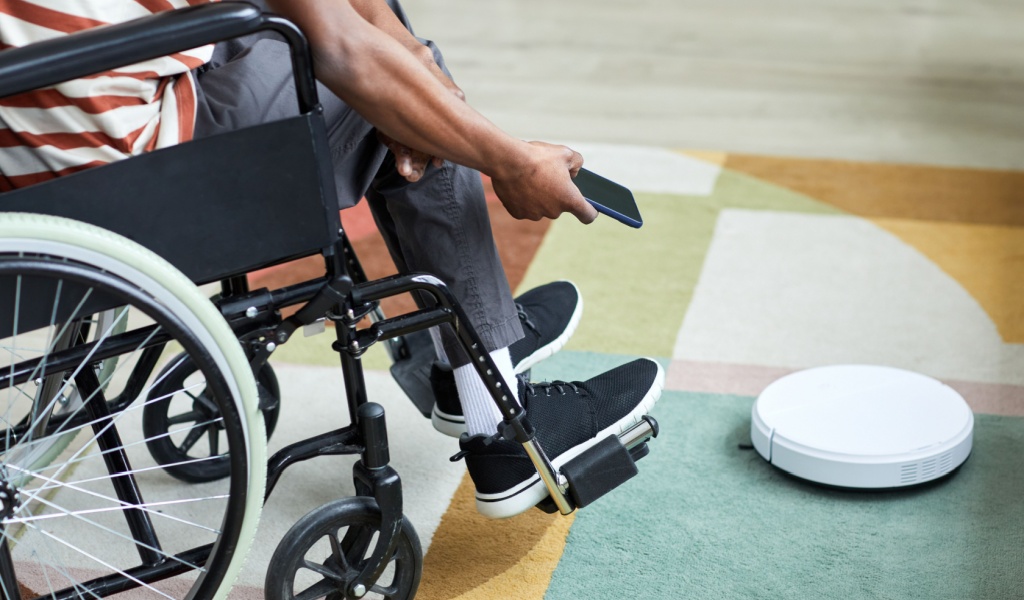
Of course, technology isn’t perfect. The WEF cautions that AI can replicate bias if trained on non-diverse data. Speech models may struggle with non-standard voices; facial recognition may fail to identify individuals with physical differences. UNRIC cautions that inaccessible AI systems could actually worsen discrimination rather than decrease it.
According to NeuroNav, not every AI tool suits everyone. Consequently, experimentation and personalization are crucial.
The takeaway? AI’s promise is based on inclusive design, diverse data, robust privacy protections, and the active involvement of people with disabilities in developing the technology meant for them.
Looking into the Future
To bring this vision to life, experts suggest several steps:
- Co-create with users: People with disabilities should be the focus when designing.
- Diversify training data: Ensure the AI can identify a variety of body types, voices, and expressions.
- Build accessibility from the beginning: Don’t retrofit; incorporate inclusivity from the start.
- Promote global reach: Accessibility shouldn’t depend on location or salary.
- Regulate responsibly: Policies like the EU AI Act can protect equality and accountability.
When these ideologies direct innovation, AI becomes more than a tool; it becomes an equalizer.
Why It’s Important
This story isn’t just about technology; it’s about self-respect, freedom, and belonging.
Imagine a world where someone who uses a prosthetic leg doesn’t have to worry about whether the path to a job interview is accessible, since an AI map flags it ahead of time. Or where someone with speech difficulties can still present ideas confidently as their AI-assisted communicator expands their voice. Or where a student with a learning difficulty isn’t left behind as AI adapts lessons in real time to their speed and style.
UNRIC reminds us that accessibility is a human right, not an additional feature. Almost a billion people worldwide still lack access to assistive technology —a gap AI could help close. If created with compassion and inclusivity, these systems could redefine what it means to be a complete part of society.
The Human Aspect of AI
AI can’t solve every problem, but it’s already helping people with disabilities take control of their lives in new ways. The goal is not just more innovative technology, but a more empathetic one that listens, adapts, and supports.
If we continue to create AI with compassion and inclusion, the future could look less like science fiction and more like sincere connection —a world where technology understands everyone’s language, moves at everybody’s pace, and unlocks doors that were once closed.
Because when AI incorporates all of us, we all move forward.