
During hot summer days, a glass of iced cold water is almost a treat better than the finest steak. But why do we feel thirsty even in cold climates like winter or spring? Have you thought about it? When the brain signals thirst, what does the body actually want?
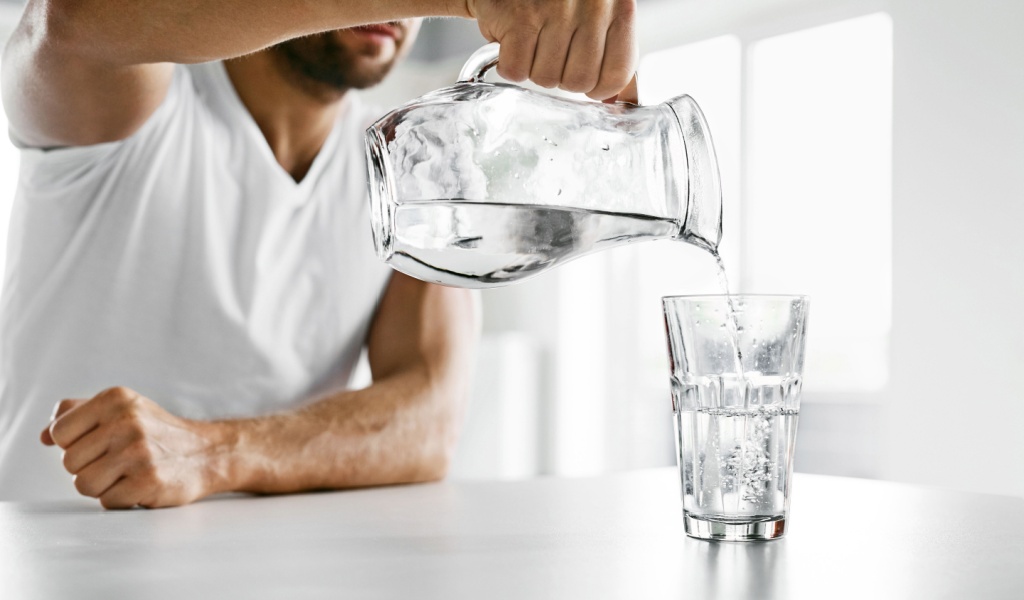
The feeling of thirst simply means your body is dehydrated and needs water to quench its thirst and function properly. However, as ordinary as it may seem to feel thirsty when it’s sweltering outside or after an intense workout, frequent water sipping could signal another health problem. Here are some reasons you may feel constantly thirsty.
Dehydration
Dehydration occurs when your body lacks enough water to perform everyday functions, and thirst is the primary indication that something is amiss. It can happen for many reasons, such as exercise, diarrhoea, vomiting, or excessive sweating.
Doctors say dehydration is a common cause of increased thirst. A person usually feels thirsty when the body loses about 1% to 2% of its total water. Additionally, the body has receptors that sense changes in fluid volume and trigger a thirst response. So, you being thirsty due to dehydration is actually a trigger warning. So, the next time you think you could be dehydrated, listen to your body’s cues and drink until your thirst is quenched.
Typically, dehydration is caused by not drinking enough fluids or by losing more fluids than usual. Common causes of dehydration include excessive sweating from exercise or hot weather, sickness or infection, diarrhoea, vomiting, or increased urination.
Food
Certain foods we consume also affect thirst. Sometimes, indulging in fast food can trigger thirst. Foods with high salt content, such as processed or spicy foods, can make you feel unbearably thirsty and lead you to drink more water than usual. Additionally, while high-protein diets are often recommended for health and fitness, it is also essential to drink plenty of water, as protein metabolism can lead to dehydration if fluid intake is inadequate.
Diabetes Mellitus
People with diabetes have too much glucose or sugar in their bloodstream, which triggers pathways that make them feel thirsty. Thirst is a cue to hydrate, which helps bring glucose levels back to normal. The body also produces more urine to flush out the excess glucose in diabetic patients. That is why indications of uncontrolled or undiagnosed diabetes include excessive thirst and frequent urination. If you are urinating more often and constantly feeling thirsty even though you are drinking plenty of water, it is crucial to contact your healthcare provider for bloodwork.
Medication
If you are taking medication and start feeling unusually thirsty, it is vital to check whether this is a side effect. Some medicines can make you feel thirsty all the time. For instance, diuretics, also called water pills, can make you urinate more to get rid of excess fluid and are used to treat conditions like high blood pressure, heart failure, or swelling, but they can also lead to dehydration.
Lithium, a medication sometimes prescribed to treat bipolar disorder, acts as an electrolyte like sodium, so people taking these medicines need to drink more water to maintain balance.

Does It Matter What You Drink When You Feel Thirsty?
Water is the best and healthiest option to fight dehydration. It doesn’t contain calories or added sugar, making it the ideal choice for overall health, especially for anyone trying to maintain a healthy weight. Studies comparing the hydrating effects of various drinks found that most liquids are equally effective for rehydration, including water, coffee, tea, orange juice, sparkling water, sports drinks, and even beer. However, a 2016 randomized trial found that cow’s milk and oral rehydration solutions were the most effective at maintaining hydration for more extended periods.
Moreover, it is advisable to stay away from energy drinks. Caffeine is the main ingredient in most of them, but energy drinks often contain other additives such as vitamins and sugar. While there is some evidence that the caffeine in these drinks can help improve physical endurance and mental alertness, there are also significant risks. The amount of caffeine in energy drinks can vary widely, and it isn’t always easy to determine precisely how much they contain.
Large amounts of caffeine in energy drinks can lead to heart complications, such as an irregular heartbeat or a rapid heart rate. Some studies have also shown increased anxiety and sleep problems among people who consume large quantities of these drinks. In addition, digestive issues and dehydration are other common side effects of excessive energy drink consumption. Therefore, avoiding them altogether is the best choice.
In Conclusion
The weather, intense physical activity, or workouts may not be the only reasons you feel thirsty throughout the day. If you find yourself constantly sipping water, it is essential to check for other possible causes. And whenever you feel thirsty, always make water your first and best hydration companion.