
Every year, Americans buy billions of batteries to power clocks, toys, rechargeable electronics, remote controls, radios, smoke detectors, and more. Once the battery has done its job and no longer holds its charge, recycling it is a good idea. In fact, it’s the law in some cases.
Recycling batteries is important to reclaim the useful materials they contain. Depending on the type of battery, it may contain nickel, lead, cadmium, mercury, cobalt, silver, graphite, or lithium. Most of these materials are harmful if not disposed of correctly, which means recycling batteries is the best way to protect the environment while also preserving resources.
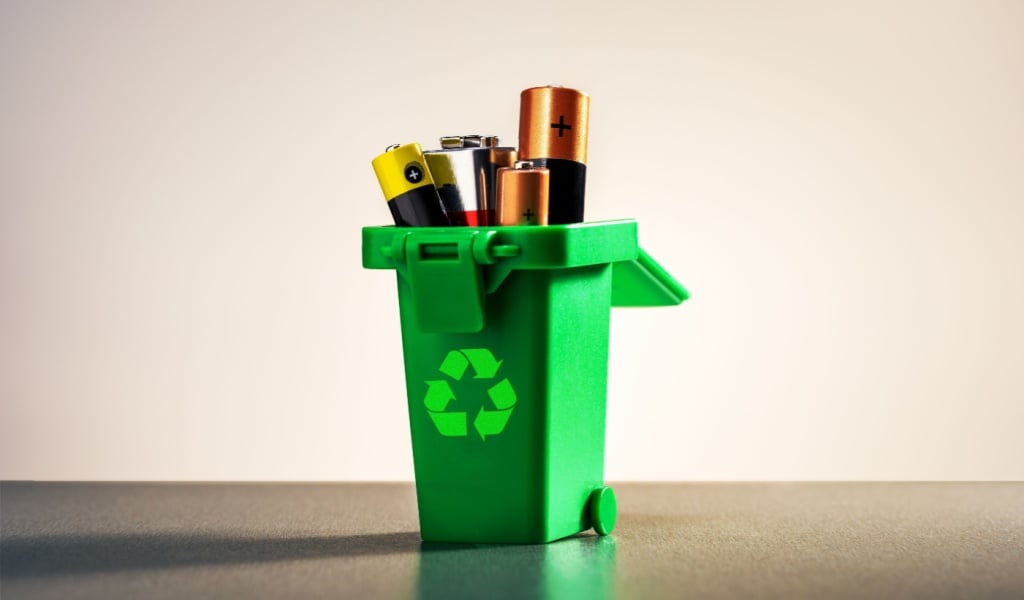
The recycling process for batteries involves a process known as high-temperature metal reclamation. The batteries are sorted, cut, and melted, and the metals are then extracted. With zinc-carbon and alkaline batteries, the materials are shredded to separate plastic, metal, and paper. It is then used to make new batteries or other products.
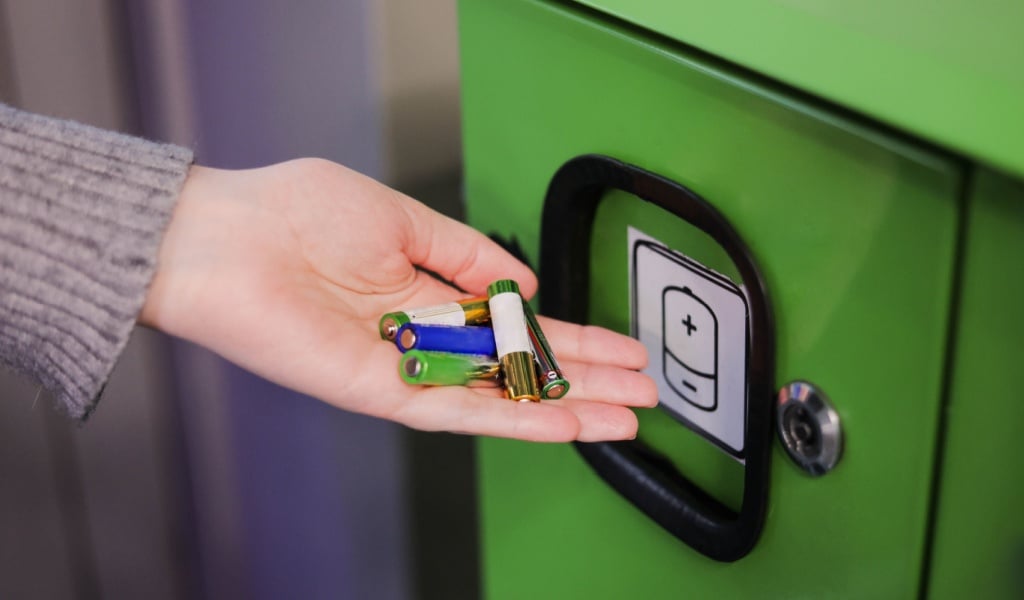
Avoid putting used batteries in your curbside recycling, unless your local recycling service tells you otherwise. It is best to take them to a different location for recycling. There are several national chains that collect batteries for recycling. You can also locate a local recycling option through the Earth911 recycling database or contact Call2Recycle.
Single-Use Batteries
Alkaline Single-Use Batteries
These include 9-volt, 6-volt, AA, and AAA, to name a few. These are the sort of batteries used to power everyday household items like flashlights, remote controls, toys, and more. Usually, the local solid waste department suggests putting alkaline batteries in your regular trash. This is because they pose less of a hazard when disposed of in landfills. However, your local hardware store may accept them for a fee.
Button Cell Batteries
These are the flat, round batteries used to power small devices like fitness trackers, hearing aids, and watches. Before, button cell batteries were made using mercury, silver, or cadmium. Now, most of them contain lithium, so it’s very important to recycle these batteries. This metal is a valuable resource, and if it’s not handled properly, it can be extremely hazardous. Moreover, these small batteries are harmful and even fatal if swallowed by a child or if they become lodged in the ear or nose. This makes recycling them all the more important.
Rechargeable Batteries
Rechargeable Household Electronics
With cordless products on the rise, rechargeable batteries are becoming increasingly common. It is used in cordless vacuums, power tools, and toothbrushes, to name a few. Since these can be recharged, they can be used repeatedly. But it also contains heavy metals, so if it’s not recycled, it can contaminate the environment. These batteries contain nickel, which can be recycled into pots, pans, flatware, golf clubs, and even new batteries.
Laptop, Cellphone, And Portable Electronics
These electronic items are powered by lithium-ion batteries, which are recyclable. The metal content inside it can be recovered during the recycling process. These should never be sent to a landfill, as they can overheat and explode when compressed or exposed to high temperatures.
Usually, the battery would be disposed of along with the electronic device, like when you upgrade your laptop or trade in your cellphone. Generally, the company that handles your electronic device will also accept the battery. But if this is not the case, you can find a recycling location by checking the Call2Recycle program.
Vehicle Batteries
Usually, vehicle batteries can be recycled through your car manufacturer or other drop-off programs. With technology advancing, vehicle batteries are becoming increasingly efficient. Vehicle batteries, both lithium-ion and lead-acid, are 95-100% recyclable. They should be taken to specialized facilities, such as auto shops or hazardous waste centers.
Final Thoughts
Every year, incorrect battery disposal causes hundreds of avoidable fires. These could be easily prevented if consumers recycled them responsibly. Throwing away batteries can lead to pollution and the unnecessary overuse of valuable natural resources.
When it is time to dispose of the batteries, check your local ordinances. Some cities will recycle batteries if you leave them in a plastic bag on top of your trash bin. However, some states have specific laws mandating disposal methods.
Ensure that precautions are taken when collecting or storing old batteries. The last thing you want to do is tos them in a bag or store them in a metal container. Although old batteries may not have enough energy to power anything, they can still spark a fire if they are handled carelessly. Make sure to store batteries in a secure container and keep them lined up side by side. This way, the contact points don’t touch one another, and they don’t brush against anything conductive or metallic. According to the Environmental Protection Agency, lithium-ion batteries should not be put in airtight containers or regular household garbage. Instead, to prevent fires, tape the battery terminals, place each battery in a separate plastic bag, and store them in a dry, cool place out of reach of children.
Many batteries can leak corrosive materials that can damage your devices and even harm you. So make sure to regularly check your battery-operated items to ensure that there is no leakage. Wear gloves and remove any leaking batteries. Place them in a clear plastic bag and drop them off at a hazardous household waste collection point.