
When choosing what to wear, many people naturally gravitate toward black. It is often seen as sleek, flattering, and effortless, making outfit selection easier while also creating a slimming visual effect.
Interestingly, black isn’t technically considered a color in the traditional sense. It doesn’t appear on the color wheel as a primary, secondary, or tertiary shade. Instead, black is the absence of visible light, absorbing all colors in the spectrum. In contrast, white reflects all colors, yet it too is often excluded from the standard definition of color.
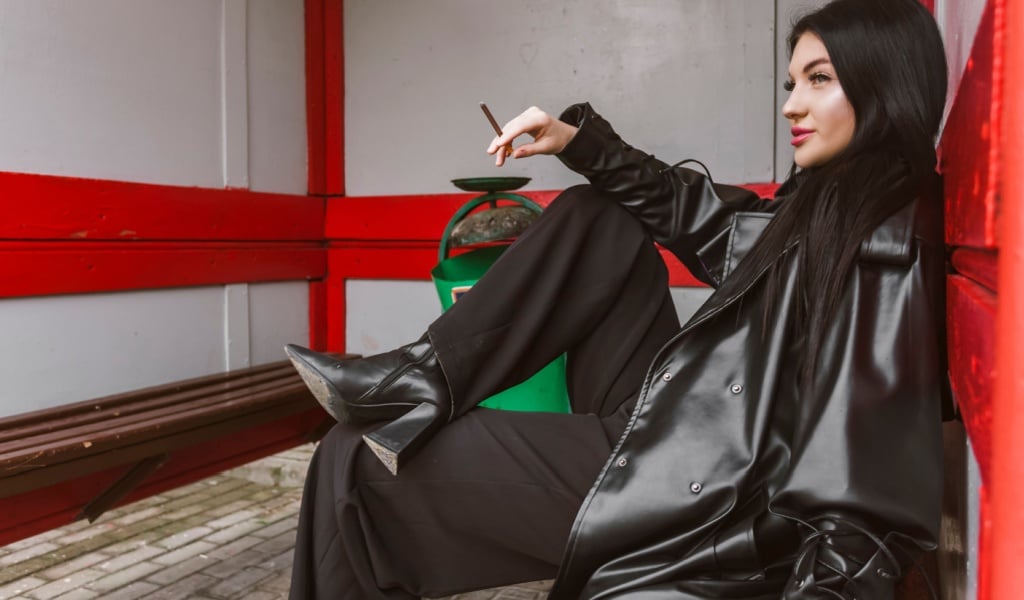
Despite being drawn to vibrant hues, many individuals still build wardrobes dominated by black. This preference is not just practical; it’s psychological. Color psychology suggests that our emotional responses to colors are shaped by personal experiences and individual preferences, and black is no exception.
In fact, a 2017 YouGov survey found that black is the most popular “favorite color” among adults worldwide, with over 23% citing it as their top choice.
As Dr. Maria Lopez, a clinical psychologist, explains, “Many people use black as a form of self-protection, allowing them to project confidence while shielding their vulnerabilities.”
Ultimately, the choice to wear black can reflect both conscious style decisions and deeper psychological influences. For some, it enhances confidence and simplicity; for others, it may limit self-expression.
The Timeless Appeal of Black
Black is often described as classic, elegant, and versatile. It pairs effortlessly with almost any other color, making it a reliable choice for those who prefer simplicity in their daily dressing. For many, wearing black reduces decision fatigue; there is no need to spend time coordinating outfits when everything already matches.
In addition, black is widely known for its slimming effect. It creates a visual illusion that minimizes body contours, helping individuals feel more confident in their appearance. This makes it a popular choice across different age groups and body types.
The Psychology Behind Wearing Black
Color psychology suggests that our clothing choices often reflect our emotions, personality traits, and even subconscious preferences. Black, in particular, carries a wide range of psychological associations:
- Power and Authority: Black is often associated with strength, sophistication, and control. This is why it is commonly worn in professional settings or formal events.
- Confidence and Mystery: Wearing black can create an aura of confidence while maintaining a sense of mystery. It doesn’t reveal too much, allowing the wearer to feel protected or composed.
- Simplicity and Control: People who prefer black often appreciate order and minimalism. A monochrome wardrobe can reflect a desire for clarity and control in other areas of life.
- Emotional Shielding: For some, black serves as a form of emotional armor. It can create a sense of distance, helping individuals feel less exposed or vulnerable.
The Cultural Influence of Black
Black’s meaning also shifts depending on cultural context. In many Western societies, it is associated with mourning and solemnity. At the same time, it is also the color of luxury brands, formal attire, and high fashion. In some Eastern cultures, black can symbolize wealth or good fortune, showing that this color’s meaning is far from universal.
In modern fashion, black has been embraced by various subcultures. From minimalist aesthetics to edgy, alternative styles, it continues to evolve as a statement of individuality.

Why Do We Keep Choosing Black?
You may wonder why people keep choosing black; even those who love vibrant colors often find themselves returning to it. This may be because black provides a sense of comfort and reliability. It feels safe, predictable, and universally acceptable.
There is also a psychological ease in wearing black. It removes the pressure to stand out while still allowing one to appear polished and put-together. In a world full of choices, black simplifies things.
Can Wearing Black Have Downsides?
While black offers many advantages, relying on it exclusively can have subtle drawbacks. It may limit self-expression, especially for individuals who naturally enjoy color but hesitate to explore it. Over time, it can also become a style habit rather than a conscious choice.
From a psychological perspective, consistently choosing darker tones may sometimes reflect or reinforce a more reserved or withdrawn mood. However, this is not always the case; it largely depends on personal context and intention.
Finding Balance in Your Wardrobe
Ultimately, wearing black is neither inherently good nor bad. It is a personal choice shaped by practicality, preference, and psychology. The key lies in awareness. Understanding why you reach for black can help you decide whether it truly represents your style or simply your comfort zone.
If you’re looking to branch out from an all-black wardrobe, start by adding a colorful accessory or patterned scarf to your outfit. Small changes can make a big difference and help ease the transition to more color.
Adding occasional color, textures, or patterns doesn’t mean abandoning black altogether. Instead, it creates a more expressive and balanced wardrobe while still enjoying the timeless elegance that black provides.
Final Thoughts
Black is more than just a fashion choice; it is a statement. Whether it reflects confidence, simplicity, mystery, or emotional comfort, its appeal runs deep. The next time you choose an all-black outfit, you might realize that your decision says more about you than you think.