In recent years, weight loss has become one of the most talked-about health goals worldwide, and medications like Ozempic have taken center stage. Originally developed to manage type 2 diabetes, Ozempic quickly gained popularity for its strong appetite-suppressing and weight-loss effects
Along with its rise came growing concerns like high costs, possible side effects, and the question of whether long-term dependence on such medications is truly sustainable. This has led many people to ask a simple question: Is there a more natural, affordable way to support the same goals of fullness, better eating control, and stable blood sugar?
The answer may lie in everyday, natural fiber-rich foods.
Chia Seeds – A Powerhouse of Nutrition
One of the most popular options is chia seeds. Often seen as just another superfood trend, chia seeds have quietly proven themselves to be a powerful natural support for weight management and metabolic health. Unlike medications that directly alter hunger signals, chia seeds work in a gentler way. They are rich in soluble fiber, which absorbs water and expands in the stomach. This creates a natural feeling of fullness, helping reduce overeating without forcing artificial hunger suppression. For many people struggling with portion control, this simple effect can make a meaningful difference.
Beyond supporting appetite, chia seeds offer additional benefits.
They are also rich in omega-3 fatty acids, antioxidants, protein, and essential minerals such as calcium and magnesium. These nutrients play an important role in supporting heart health, improving digestion, and stabilizing blood sugar levels. Balanced blood sugar is especially important, as it helps reduce energy crashes and sugar cravings, two major challenges in maintaining a healthy diet.
When soaked, chia seeds form a gel-like texture that further supports digestion and gut health. A healthy gut is now widely recognized as a key factor in overall wellness, influencing metabolism, immunity, and even energy levels. However, it is important to note that chia seeds should be consumed in moderation, as excessive intake may cause digestive discomfort, bloating, and constipation in some people.
The New on the Block – Psyllium Husk
While chia seeds are a powerful whole-food option, they are not the only natural approach that works this way. Another effective and widely used option is psyllium husk, which offers a similar approach.
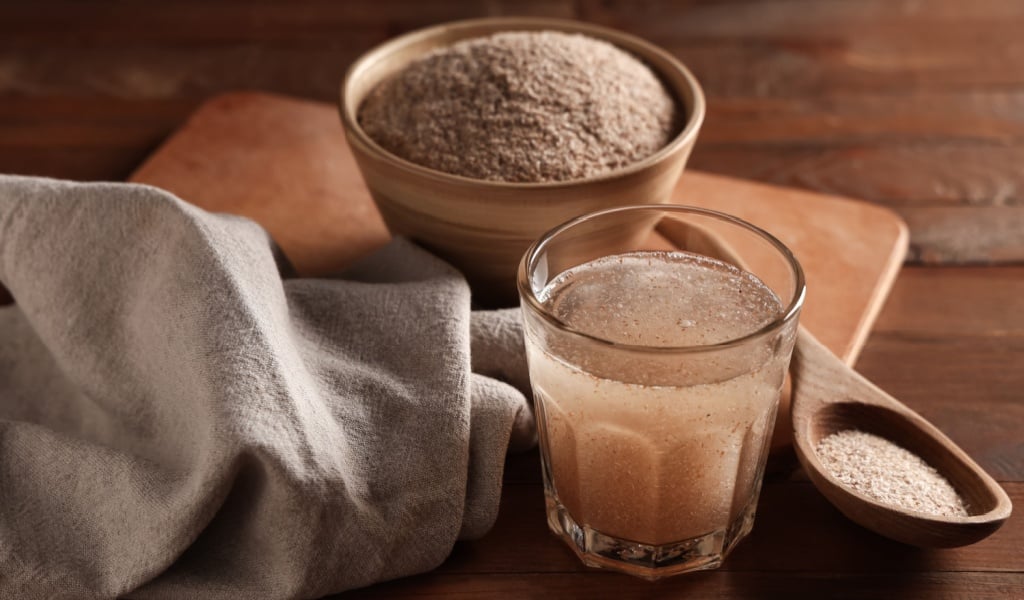
Psyllium husk is a common fiber supplement available in powder, capsule, or tablet form. According to Dr. Irene Sonu, a gastroenterology expert at Stanford Medicine, it is mainly used to support digestive health by improving stool regularity. It helps with both constipation and diarrhea by making bowel movements more balanced and easier to pass.
Benefits of Psyllium Husk for Weight Loss & Beyond
Beyond digestion, psyllium husk offers benefits similar to those of medications such as Ozempic.
As a type of soluble fiber, it absorbs water and forms a gel in the digestive system. This gel stays in the stomach longer, helping increase feelings of fullness and reducing overall food intake. In this way, it can support appetite control in a similar direction to medications like Ozempic or Wegovy, though through a natural mechanism.
Psyllium husk can also help regulate blood sugar levels, particularly in people with type 2 diabetes. It slows the absorption of sugar in the digestive tract, which may help prevent sudden spikes in blood glucose. When combined with a balanced diet and a healthy lifestyle, this can support better metabolic control.

How to Consume Psyllium Husk?
To get the best results, Psyllium must be used correctly. The timing matters. Psyllium is most effective when taken about 20–30 minutes before your largest meal of the day. This allows it to form its gel before food arrives, helping increase fullness beforehand. Taking it during or after meals may reduce its appetite-supporting effect.
Dosage also plays an important role. For general digestive support, 5–10 grams per day is often enough. For benefits related to cholesterol, blood sugar, or weight management, a higher intake of around 10–12 grams daily is commonly used, ideally split into two doses.
It is important to start slowly. Beginning with a small amount, about one teaspoon (3–4 grams) per day and gradually increasing over several weeks helps the body adjust and reduces the chance of bloating or discomfort.
Additionally, hydration is essential. Psyllium must always be mixed with a full glass of water and consumed immediately, followed by another glass of water. Without enough fluid, stool may become more compacted, causing digestive discomfort or worsening constipation.
It is also important to consider medication timing. Because psyllium forms a gel in the digestive system, it can slow the absorption of certain medicines. For safety, medications especially for diabetes, thyroid, or heart conditions should be taken at least two hours before or after psyllium.
Finally, the powder form is generally more effective than capsules, since achieving a useful dose with capsules often requires taking multiple capsules at once. Choosing a plain, unflavoured psyllium husk without added sugars or artificial ingredients is usually the best option.
In Conclusion
In the end, whether it is chia seeds or psyllium husk, both highlight an important idea: natural fiber can play a powerful role in supporting fullness, digestion, and metabolic health.
Neither is a miracle solution, and neither replaces medical treatment when needed. But both can support healthier habits that are sustainable over time.
Choosing natural approaches like these shifts the focus away from quick fixes and toward long-term wellness, where the goal is not just weight loss, but better overall health, energy, and balance.