
Potassium is an important mineral your body needs to function properly. Although it often receives less attention than calcium or iron, potassium plays a vital role in keeping your heart beating, muscles contracting, nerves communicating, and cells functioning efficiently. Because the human body cannot produce potassium on its own, it must come from the foods we eat every day. So how do you ensure you get enough potassium? The answer is to ensure you consume the right amount of fruits and vegetables.
Unfortunately, many people fail to meet the recommended daily potassium intake, especially those who consume diets high in processed foods and avoid fruits and vegetables. Over time, inadequate potassium intake can lead to a range of health problems, from mild fatigue to serious heart complications.
So What Is Potassium?
Potassium is an essential mineral and electrolyte found inside your body’s cells. Electrolytes are minerals that carry an electrical charge, allowing your nerves, muscles, and organs to function properly. Along with sodium, potassium helps regulate fluid balance and supports numerous biological processes. With that in mind, it helps to look more closely at why the body needs potassium.
Nearly 98% of the body’s potassium is stored inside cells, particularly in muscle cells, while only a small amount circulates in the bloodstream. Because of this delicate balance, even small changes in blood potassium levels can significantly affect health.
Now that you know what potassium is, let’s find out why our bodies need it.
Maintains Healthy Blood Pressure
Potassium helps balance the effects of sodium in the body. While excessive sodium can increase blood pressure by causing the body to retain water, potassium helps the kidneys excrete excess sodium in the urine.
People who consume potassium-rich diets often have a lower risk of developing hypertension, stroke, and cardiovascular disease.
Supports Proper Heart Function
Every heartbeat depends on electrical signals that control the contraction and relaxation of heart muscle. Potassium is essential for maintaining these electrical impulses.
Both low and high potassium levels can interfere with normal heart rhythm, sometimes leading to dangerous arrhythmias.
Keeps Muscles Working Properly
Muscle contractions, including those needed for walking, lifting objects, and even breathing, depend on potassium. So when potassium levels drop, muscles cannot contract efficiently, leading to weakness, cramps, spasms, or even paralysis in severe cases.
Supports Healthy Nerve Function
Nerves communicate through electrical signals generated by the movement of potassium and sodium across cell membranes. Adequate potassium allows nerves to transmit messages efficiently between the brain and the rest of the body.
Maintains Fluid Balance
Potassium works together with sodium to regulate the amount of water inside and outside cells. This balance helps maintain normal blood volume, proper hydration, and healthy cell function.
Supports Kidney Function
Healthy kidneys regulate potassium levels by filtering excess amounts into urine. Potassium also helps maintain proper kidney function and may reduce the risk of kidney stones in some individuals when consumed as part of a balanced diet.
Helps Maintain Bone Health
Research suggests that diets rich in potassium may help reduce calcium loss through urine, potentially contributing to stronger bones and a lower risk of osteoporosis over time.
May Lower the Risk of Stroke
Studies have found that individuals who consume more potassium-rich foods generally have a lower risk of stroke, likely due to potassium’s positive effects on blood pressure and vascular function.
What Happens When You Don’t Get Enough Potassium?
A potassium deficiency is known as hypokalemia. It can occur due to inadequate dietary intake, excessive sweating, prolonged vomiting or diarrhea, certain medications such as diuretics, or underlying medical conditions.
Symptoms often develop gradually.
Early Signs
- Fatigue
- Muscle weakness
- Lack of energy
- Muscle cramps
- Constipation
- Tingling or numbness
Moderate Deficiency
As potassium levels continue to fall, symptoms may include:
- Persistent muscle cramps
- Increased thirst
- Frequent urination
- Bloating
- Difficulty concentrating
- Mood changes
- Palpitations
Severe Potassium Deficiency
Very low potassium levels can become a medical emergency and may cause:
- Severe muscle weakness
- Muscle paralysis
- Difficulty breathing
- Abnormal heart rhythms
- Fainting
- Cardiac arrest in extreme cases
Who Is More Likely to Develop Potassium Deficiency?
Certain groups are at greater risk, including:
- Older adults
- People with prolonged vomiting or diarrhea
- Individuals taking diuretics
- People with chronic kidney disorders (who may have abnormal potassium regulation)
- Individuals with eating disorders
- Athletes who lose large amounts of potassium through prolonged sweating
- People with poorly controlled diabetes

How Much Potassium Do You Need?
Daily potassium needs vary depending on age, sex, and life stage. General recommendations are: 3400mg/day for adult men and 2600mg/day for adult women.
Individual requirements may differ based on health conditions. People with kidney disease should follow their healthcare provider’s advice, as too much potassium can also be harmful. Likewise, pregnant women and breastfeeding women have different requirements.
Best Food Sources of Potassium
Many natural foods are excellent sources of potassium, including:
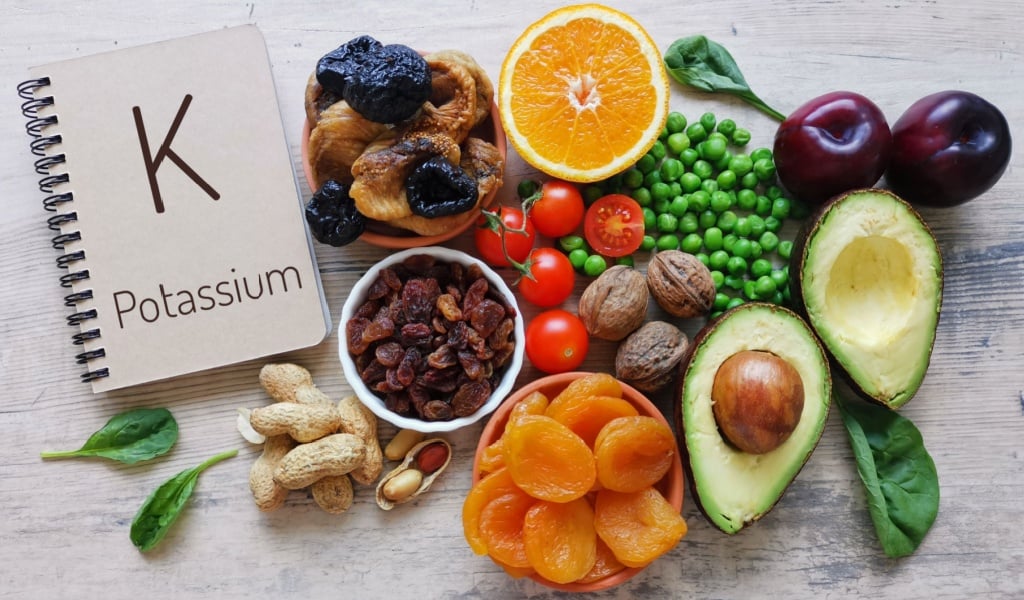
Fruits: Bananas, oranges, avocados, kiwis, apricots
Vegetables: Potatoes, sweet potatoes, spinach, tomatoes, pumpkin, beetroot, broccoli
Protein Sources: Salmon, tuna, chicken, lean beef, yogurt, milk
Plant-Based Sources: Lentils, beans, chickpeas, soybeans, tofu, nuts and seeds
Other Good Sources: Coconut water, raisins, dates, prunes
Is It Possible to Consume Too Much Potassium?
Yes. Although potassium from food is generally safe for healthy people, excessively high potassium levels can occur in people with kidney disease, those taking certain medications, or individuals using potassium supplements without medical supervision.
Symptoms of high potassium may include:
- Muscle weakness
- Numbness
- Irregular heartbeat
- Chest pain
- In severe cases, life-threatening heart rhythm disturbances
For this reason, potassium supplements should only be taken under the guidance of a healthcare professional.
Some Tips to Increase Potassium Naturally
- Eat at least five servings of fruits and vegetables each day.
- Include beans, lentils, or chickpeas in meals several times a week.
- Choose baked or boiled potatoes instead of processed snacks.
- Replace sugary drinks with water or, occasionally, coconut water if appropriate.
- Limit highly processed foods, which are often high in sodium and low in potassium.
- Eat a balanced diet that includes dairy products, lean proteins, and whole grains.
In Conclusion
Potassium is a vital mineral that supports heart health, muscle function, nerve signaling, fluid balance, and healthy blood pressure. Mild potassium deficiency may cause fatigue, muscle cramps, and weakness, while severe deficiency can lead to dangerous heart rhythm problems and muscle paralysis.
Most people can meet their potassium needs by eating a varied diet rich in fruits, vegetables, legumes, dairy products, and other minimally processed foods. If you have persistent low potassium symptoms, consult your healthcare provider before taking supplements or making major dietary changes.