
How many times have you found yourself staring at the ceiling at 3 a.m., wondering why you’re not falling asleep? While stress, screen time, and caffeine often take the blame, your diet may also play a role. One nutrient that has drawn attention for its link to sleep is magnesium.
Magnesium helps regulate nerve function, relax muscles, and support the production of melatonin—the hormone that regulates your sleep-wake cycle. If you’re seeking natural ways to improve your sleep, these magnesium-rich foods are an excellent way to begin.
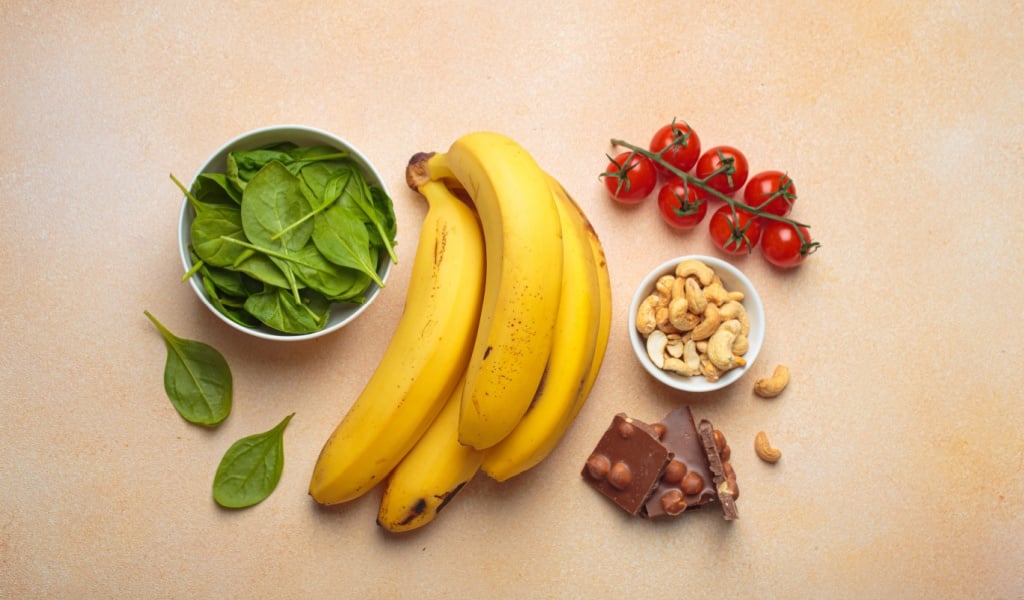
The Significance of Magnesium for Sleep
Magnesium helps calm the nervous system and promotes GABA, a neurotransmitter that supports relaxation. It may also help ease muscle tension and support healthy stress management, all of which can contribute to improved sleep quality.
12 Magnesium-Rich Foods That Can Help You Sleep Better
Almonds
Because of their magnesium content, almonds have long been regarded as a nutritious snack. Almonds provide heart-healthy fats, fiber, protein, and magnesium, which can help maintain stable blood sugar levels throughout the night. Before going to bed, a handful can be satisfying and good for your sleep.
Together, healthy fats and magnesium may support relaxation and steady energy levels throughout the night.
Spinach
Spinach is full of magnesium. These leafy greens can effortlessly be added to smoothies, omelets, salads, and soups. Spinach also contains potassium and calcium, two minerals that promote healthy muscle and nerve function.
Its nutrient-rich composition helps support relaxation and recovery during sleep.
Oatmeal
Oatmeal isn’t only a breakfast meal—it can also make a good evening snack. Oats contain magnesium, fiber, and complex carbs that digest slowly. A warm bowl of oats can feel comforting, particularly before bedtime.
Complex carbohydrates can help support serotonin production, which may promote relaxation.
Black Beans
Black beans are rich in magnesium. They also offer fiber and plant-based protein, which prolong feelings of fullness. Whether added to soups, burrito bowls, or salads, black beans are a practical source of magnesium.
The fiber content may help stabilize blood sugar levels, lessening the chances of nighttime energy crashes or spikes.
Pumpkin Seeds
Pumpkin seeds are among the best natural sources of magnesium. Just a small serving delivers a significant portion of your regular magnesium requirements. These crunchy seeds are also rich in zinc, iron, and healthy fats, making them a satisfying bedtime snack.
Pumpkin seeds also contain tryptophan, an amino acid that supports the body’s production of serotonin and melatonin.
Dark Chocolate
Here’s some good news for those who enjoy chocolate: dark chocolate contains magnesium. The key is to select varieties with a high cocoa content and enjoy them in moderation. Dark chocolate also contains antioxidants that support general health.
A small piece after dinner can fulfill sweet cravings while giving a magnesium boost.

Edamame
Edamame, or young soybeans, are rich in minerals, including magnesium. These protein-packed beans make a great snack or side dish. They’re also rich in fiber and many vitamins and minerals that support general health.
Their blend of protein and magnesium can help support consistent overnight energy and relaxation.
Bananas
Bananas are frequently linked to sleep-friendly snacks. While they’re popular for their potassium content, bananas also contain magnesium. Together, these minerals support healthy muscle function and relaxation.
Bananas provide carbohydrates that may help the body utilize tryptophan more efficiently, promoting melatonin production.
Yoghurt
Some dairy products, including yogurt, can support sleep thanks to their magnesium and calcium content. Greek yogurt, in particular, provides protein that can help prevent hunger overnight. Choose plain varieties and add fruits or seeds for extra nutrition.
Calcium helps the brain use tryptophan to produce melatonin, creating a strong sleep-supporting combination.
Salmon
Salmon is frequently commended for its omega-3 fatty acids; however, it also provides magnesium and vitamin D. These nutrients work together to promote general health, including brain function and sleep regulation. Adding salmon to your weekly diet plan can provide multiple health benefits.
According to research, omega-3 fats and vitamin D may contribute to better sleep quality.
Avocados
Although they are well known for their healthy fats, avocados are also an excellent source of magnesium. Avocados are creamy and versatile; they may be blended into smoothies, eaten on toast, added to salads, or made into guacamole. Their monounsaturated fats contribute to a balanced diet and support heart health.
Magnesium, potassium, and good fats may help support muscle function and relaxation.
Cashews
Another nut high in magnesium that you should include in your everyday diet is cashews. They are perfect for snacking, mixing into sauces and dairy-free creams, or adding to trail mixes because of their creamy texture. They are also a good source of protein, healthy fats, and other essential minerals.
The magnesium content could promote muscle relaxation and help you sleep better.
Eat Your Way to Better Sleep
Including more magnesium-rich foods in your diet is an easy and natural way to support better sleep. Foods such as pumpkin seeds, almonds, spinach, avocados, and salmon offer magnesium along with other nutrients that support relaxation and overall health.
While these foods aren’t the only remedy for sleep problems, regularly adding them to your diet may help create the conditions for more peaceful nights. Better sleep can begin with small changes on your plate.