In today’s fast-paced world, unhealthy eating habits, processed foods, and inactive lifestyles have contributed to higher rates of high blood pressure, heart disease, obesity, and diabetes. Healthcare professionals recommend dietary patterns that support long-term health rather than quick fixes. One scientifically supported eating plan is the DASH diet.
So, What Is the DASH Diet?
The DASH diet for hypertension (high blood pressure) was developed in the early 1990s to help people lower blood pressure with easily available, nutritious, and enjoyable foods. A major clinical trial produced remarkable results, with participants following the DASH eating plan experiencing significant reductions in blood pressure, some of which were comparable to those achieved with blood pressure medications.
DASH stands for Dietary Approaches to Stop Hypertension. Originally designed to help lower high blood pressure naturally without relying solely on medication, it has been shown through years of research to offer benefits beyond blood pressure control. The DASH diet supports heart health, promotes healthy weight management, improves cholesterol levels, reduces the risk of chronic diseases, and encourages lifelong healthy eating habits.
Unlike restrictive diets that eliminate entire food groups or require expensive specialty foods, the DASH diet focuses on balance, moderation, and nutrient-rich foods. Rather than a temporary diet, it is considered a sustainable lifestyle because it encourages a wide variety of wholesome foods while limiting ingredients known to contribute to poor health. It is suitable for people of all ages and can be adapted to different cultures, dietary preferences, and cooking styles.
DASH Diet Foods: What To Eat
One reason the DASH diet remains popular, says nutrition expert Teresa Tobias, is that it does not require you to eliminate any major food group. Instead, it allows people to choose from a wide variety of nutritious, affordable, and easily accessible foods.
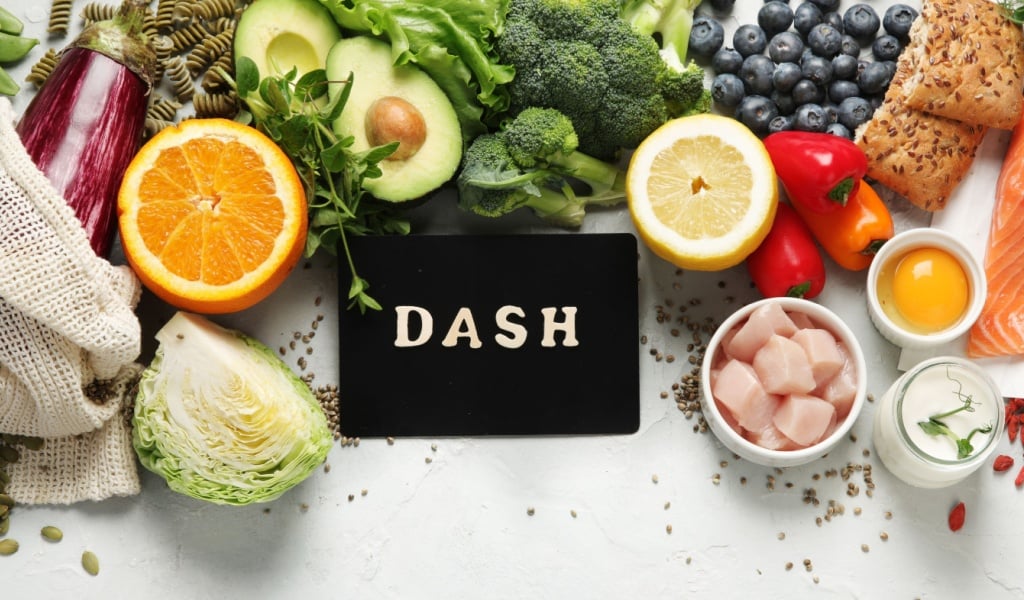
The DASH diet emphasizes eating plenty of fruits and vegetables, whole grains, lean proteins, low-fat dairy products, and moderate amounts of healthy fats.
Foods to limit on the DASH diet include:
- Red meat and processed meats
- Full-fat dairy products
- Tropical oils (such as coconut and palm oil)
- Sugar-sweetened beverages
- Alcohol
- Highly processed foods high in sodium
Reducing sodium intake is one of the key principles of the DASH diet. At first, lower-sodium foods may taste bland, but your taste buds gradually adjust. Within a few weeks, many people naturally begin to prefer lower-salt foods.
Why Is the DASH Diet Recommended?
DASH is an effective diet, and its primary strength lies in its emphasis on nutrient-rich foods that help regulate blood pressure. These include potassium, calcium, magnesium, fiber, and protein. Potassium helps counteract the effects of sodium by relaxing blood vessel walls and promoting the body’s elimination of excess sodium through urine. In addition, magnesium supports healthy blood vessel function, while calcium contributes to proper muscle contraction and cardiovascular health. Finally, fiber helps lower cholesterol, improve digestion, and promote a feeling of fullness, making it easier to maintain a healthy weight.
The diet encourages generous servings of fruits and vegetables every day. These foods are naturally low in calories and rich in vitamins, minerals, antioxidants, and fiber. In turn, antioxidants protect the body’s cells from damage caused by free radicals, reducing inflammation and lowering the risk of chronic diseases.
Lean sources of protein are recommended instead of fatty cuts of meat. For example, skinless chicken, turkey, fish, eggs, legumes, lentils, beans, and tofu are excellent choices. Fatty fish such as salmon, sardines, tuna, and mackerel provide heart-healthy omega-3 fatty acids, while plant-based proteins offer both protein and fiber with very little saturated fat.
Low-fat or fat-free dairy products also play an important role by supplying calcium, vitamin D, and protein, helping to support both bone health and blood pressure regulation.
Healthy fats are encouraged in moderation. Rather than eliminating fats altogether, the DASH diet promotes unsaturated fats from foods such as avocados, olive oil, nuts, seeds, and fatty fish. By contrast, saturated fats found in butter, fatty meats, and full-fat dairy products should be limited, while trans fats should be avoided whenever possible because of their harmful effects on heart health.
Portion control is another important aspect of the DASH eating plan. Even healthy foods can contribute to weight gain if eaten in excessive amounts. The diet encourages mindful eating by emphasizing appropriate serving sizes, eating slowly, and paying attention to hunger and fullness cues.
One of the reasons the DASH diet is so widely recommended is that it supports healthy weight management without requiring strict calorie counting. Meals rich in fiber, lean protein, and nutrient-dense foods help people feel full for longer, naturally reducing overall calorie intake. When combined with regular physical activity, the DASH diet can support gradual and sustainable weight loss.
What Are the Benefits of the DASH Diet?
The benefits of the DASH diet extend well beyond lowering blood pressure. For example, research has shown that following this eating pattern may reduce LDL (“bad”) cholesterol while maintaining or increasing HDL (“good”) cholesterol. As a result, lower cholesterol levels reduce plaque build-up inside the arteries, decreasing the risk of heart attacks and strokes.
The DASH diet may also improve insulin sensitivity, making it beneficial for people with prediabetes or type 2 diabetes. Because it emphasizes whole foods while limiting processed foods and added sugars, it helps maintain more stable blood sugar levels throughout the day.
In addition, the DASH diet may lower the risk of chronic kidney disease by helping regulate blood pressure and reducing the workload on the kidneys. The high intake of fruits and vegetables provides antioxidants that help reduce inflammation and may lower the risk of certain cancers and age-related diseases. Bone health also benefits from adequate dietary intake of calcium, magnesium, phosphorus, and vitamin D.
Adopting the DASH diet does not require a complete lifestyle overhaul overnight. Instead, small, gradual changes often lead to lasting success. Replacing white bread with whole-grain bread, increasing the portions of vegetables at meals, choosing fruit instead of sugary desserts, selecting lean proteins, cooking more meals at home, and gradually reducing salt intake are practical first steps.
Conclusion
The DASH diet is much more than a plan for lowering blood pressure. It is a balanced, evidence-based approach to healthy eating that supports cardiovascular health, healthy weight management, improved cholesterol levels, better blood sugar control, and a reduced risk of many chronic diseases. By focusing on wholesome, nutrient-rich foods rather than restrictive rules, the DASH diet offers a practical and sustainable way to improve overall health.