One of the most common eating patterns is snacking between meals. For many people, this can hinder appetite control and weight management, leading to compulsive snacking in the absence of true hunger. Mindless snacking often signals deeper issues such as stress, emotional distress, or disordered eating.
But if those late afternoon hunger pangs kick in, leaving you longing for a quick snack, then there is no real reason why you should deny yourself. What matters is to be mindful of the snacks you choose to indulge in to fit into a heart-healthy eating pattern.
In fact, snacks can be a helpful means to bridge the gap between meals, and a small snack can curb your appetite so you won’t be starving when you sit down for a meal. This can even help you control your portion sizes and avoid overeating. For example, if you had lunch and plan to meet a friend for dinner, it’s a good idea to have a snack in the evening so you won’t overeat at dinner.
Why Do We Have The Urge To Snack In Between Meals?
Well, this is driven by a combination of physical, environmental, and psychological factors.
Physical Reasons
- Hunger hormone strikes in between meals.
- Blood sugar crashes from low-protein or high-carb meals.
- Eating meals that don’t make you feel full.
- Genetic variations that can cause higher cravings.
- Blood sugar imbalances or insulin resistance.
Environmental Influences
- Quick and easy access to food/snacks.
- Exposure to food marketing and other triggers that tempt you to indulge in snacks.
- Not having a structured mealtime.
- Association with other people who have obsessive snacking habits.
Psychological Triggers
- Mood swings, loneliness, stress, and anxiety.
- Habitual triggers like snacking while watching TV.
- Snacking as a means of reward-seeking after a long day.
When Snacking Is Problematic
Some common symptoms point to unhealthy snacking habits.
- Eating snacks even when you’re not really hungry.
- Compelled to snack when you are stressed, tired, or bored.
- When your snacks are high in fat, salt, or sugar content.
- Snacking late at night or when watching TV.
- You start noticing weight gain, even when you have been eating healthy food during the main meals.
Having one or more of these symptoms may mean your snacking habit needs to be curbed. Otherwise, you risk consuming excess calories, gaining weight, disrupting appetite regulation, and experiencing blood sugar swings, which can lead to tiredness and irritability. Over time, this can create a cycle of lost food control, harming weight management and confidence.
So, how can you regain control and improve your snacking habits?
Be Conscious About Making Smart Snack Choices
Health-conscious people typically avoid junk food, such as salty, greasy chips. Instead, they may choose low-salt potato chips or pretzels, but these options can also be lacking in flavor. They often fail to satisfy hunger because they contain simple carbohydrates, which can leave you hungry again soon after. Healthy snacks should ideally be a combination of healthy carbs, fats, and proteins. For example, whole-grain crackers with low-fat cheese or stir-fried vegetables can be good options.

Prepare Your Own Snacks
Making your own snacks can be cheaper and easier than you might expect. Skip packaged popcorn, which often contains unhealthy fats and extra salt. Instead, toss a handful of popcorn kernels in a paper bag, fold the top, and microwave for a healthier snack.
Stock Your Pantry With Healthy Snacks
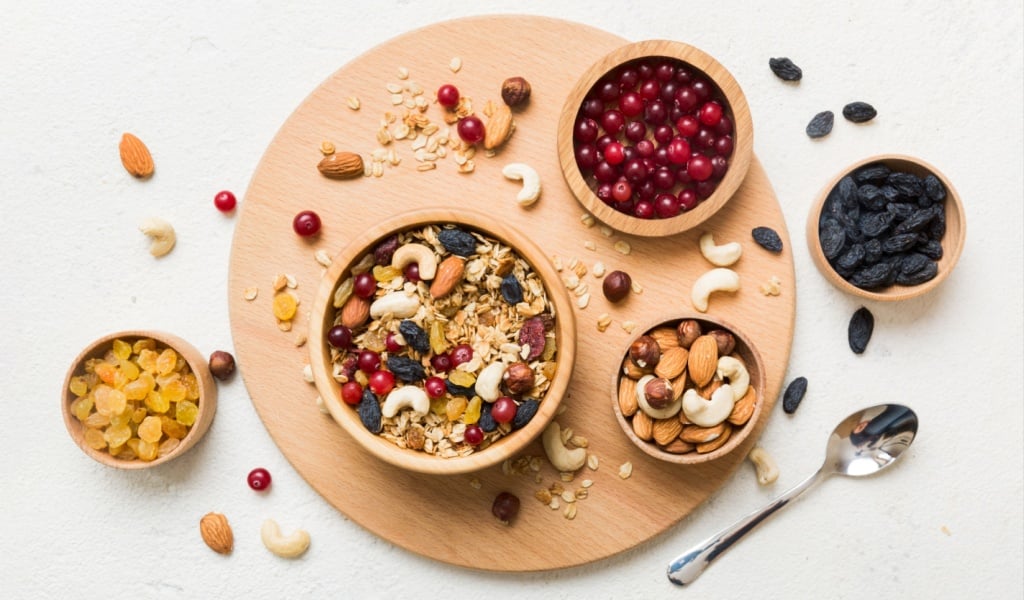
Plan ahead and stock your pantry with healthy options like vegetables, fruits, lean protein, and whole grains. This keeps you energized and makes unhealthy snacks less tempting.
Snack For Hunger, And Not For Stress
Often, the impulse to snack arises from stress or boredom, not hunger. Instead of turning to food during emotional moments, treat your body with care and avoid overeating that may lead to weight gain and other issues.
Snack cravings are normal, but be conscious of your choices. Ask if you’re truly hungry or just stressed. If it’s stress, boredom, or loneliness, distract yourself by walking, calling a friend, meditating, or doing something creative.
Eat Balanced Meals And Get Sufficient Sleep
To reduce unnecessary snacking, prevent hunger by eating balanced, wholesome meals with fiber, protein, and healthy fats. Stable blood sugar helps control hunger.
Likewise, when you’re sleep-deprived, the hunger hormone rises, which means that those cravings will kick in more often. This is why getting good quality sleep can help reduce the urge to constantly snack.
Final Thoughts
If you have been an avid snacker, be kind to yourself; changing habits takes time. Focus on consistency, and remember that setbacks don’t mean failure. Remind yourself why switching to healthy snacks matters and choose mindfully.