
Picking a deodorant shouldn’t feel like solving a puzzle. With so many options in the personal care section—sprays, sticks, natural, clinical strength, fragrance-free, aluminum-free—it’s easy to get confused. The goal of this guide is to help you confidently choose the right one for your needs from the very start.
This guide is for you if you’ve ever grabbed a random deodorant and hoped for the best. To help you find your perfect match and smell great, we’re breaking everything down in a simple, straightforward way.

How Do Deodorants Work?
Knowing what you’re dealing with will help you select one.
Actually, sweat itself doesn’t smell. The smell is caused by bacteria breaking down sweat on the skin. Deodorants function by:
-
Neutralizing or eliminating bacteria that cause odors
-
Occasionally, hydrating or soothing the skin.
-
Using fragrance to mask odors
Simple, isn’t it? Now, let’s get into what sets products apart.
Difference Between Deodorant and Antiperspirant
This is the most important distinction, and it’s one that many people mistake.
-
Deodorant: Stops smell; however, you’ll still sweat
-
Antiperspirant: Lessens smell and sweat by blocking sweat glands
So, if your problem is odor, go for a deodorant. And if your concern is sweat patches, go for an antiperspirant. There’s no better choice; it all depends on your body and lifestyle.
Now that you know the basics, let’s take a look at how to pick the right deodorant for your needs.
Identify Your Sweat Level
More than anything else, your decision should be based on your sweat habits.
Heavy Sweater: If sweat is your biggest worry,
-
Pick antiperspirants with clinical-strength
-
These are made for high humidity and dryness throughout the day.
Moderate Sweater: You sweat while exercising or on hot days,
-
Select a long-lasting deodorant.
-
Or a mild antiperspirant for additional assistance
Light Sweater: If you hardly sweat, but still want to stay fresh,
-
A basic deodorant will work for you.
-
Go for light, breathable formulas.
Antiperspirants are particularly useful in hot climates or for active lifestyles, as they reduce moisture at the source.
Know the Difference Between Natural and Conventional Deodorants
Natural Deodorants
-
Pay attention to odor control, not sweat prevention.
-
Free of Aluminum
-
Use plant-based or mineral substances.
Conventional Deodorants/Antiperspirants
-
Generally stronger and longer-lasting.
-
Frequently use aluminum (for sweat control).
So… Which One Is Best For You?
Stick to natural if:
-
Your skin is sensitive.
-
You’re fine with sweating a little.
-
You favor “clean” or minimum ingredients.
Go for conventional if:
-
You sweat excessively
-
You need performance throughout the day.
-
You want to be as dry as possible.
As you consider options, keep in mind that “natural” doesn’t always mean irritation-free, and it won’t stop sweat.
Be Mindful Of The Ingredients
This part can be overwhelming. But don’t worry, we’ll make it easier.
Ingredients to look for:
-
Antibacterial agents fight bacteria that cause a bad smell.
-
Soothing substances such as aloe vera or shea butter for skin comfort.
-
Fragrance or essential oils keep you smelling good.
-
Strong scents can trigger sensitivity.
-
Alcohol can cause dryness or skin irritation.
-
Baking soda is common in natural deodorants, but some people find it irritating.
If your underarms get scratchy, red, or uncomfortable, your deodorant might be the cause.
Select the Correct Formula
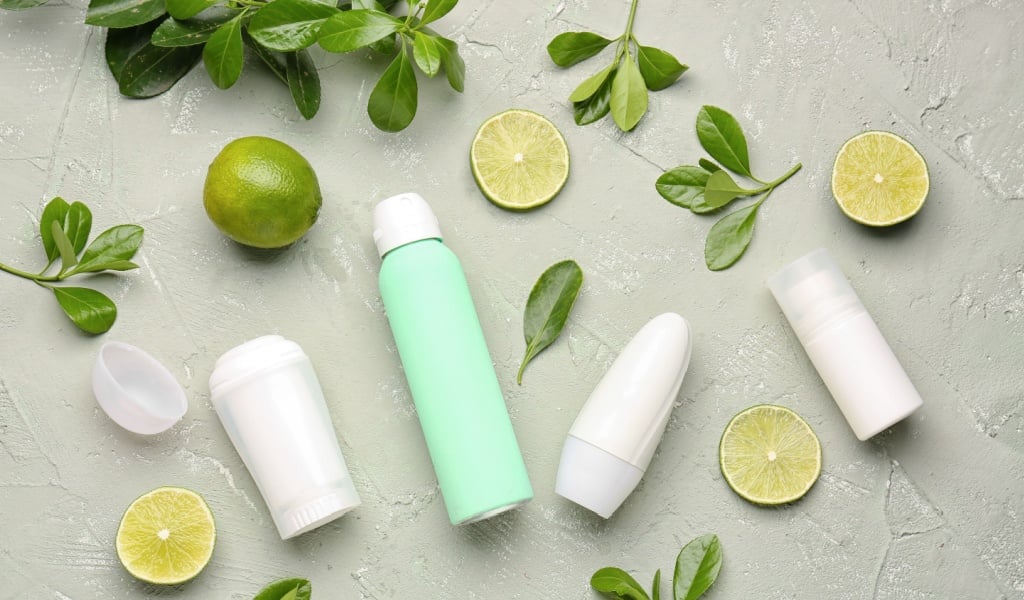
There are various forms of deodorants, and each one has its own vibe.
Stick Deodorants:
-
Classic and dependable.
-
Provides a controlled application.
-
Excellent for daily use.
Roll-Ons:
-
Frequently feel cool and comfortable.
-
Application is smooth.
-
Drying may take longer.
Creams & Balms:
-
Rich and hydrating.
-
Generally, part of natural alternatives.
-
Perfect for sensitive skin.
Spray Deodorants:
-
Dry faster and more refreshing.
-
Less clothing residue.
-
Ideal for those on the go.
Each type works much the same way, so choose based on comfort and convenience. Next, consider how your skin reacts to these forms.
Pay Attention to Your Skin Type
Your underarms are more delicate than you think, so your deodorant should match your skin’s requirements.
Dry Skin: Select,
-
Products containing hydrating oils or butters.
-
Cream-based deodorants.
Sensitive Skin: Go for,
-
Non-fragrance formulas.
-
Labels that say “hypoallergenic.”
-
Alcohol-free choices.
Gentle deodorants frequently skip harsh chemicals and emphasize soothing ingredients. Let’s move on to address special concerns, such as irritation after shaving. Avoid:
-
Strong artificial fragrances.
-
Alcohol-based sprays.
Pick a Fragrance That Suits You
This is the most exciting part. Your deodorant fragrance should complement, not compete with, your vibe.
Popular Types of Fragrances:
-
Woody or Musky – bold and warm
-
Floral – soft and delicate
-
Fresh & Clean – light, regular wear
-
Unscented – Ideal for pairing with perfume
If you wear perfume, pick a mild or fragrance-free deodorant so that fragrances don’t clash.
Consider Your Lifestyle
Your daily schedule plays a higher role than you think.
Active Lifestyle?
-
Sprays work well for fast refreshes.
-
Select formulas that are long-lasting or sweat-resistant
Hot & Humid Climate?
-
Antiperspirants can help maintain dryness.
-
Check for “48-hour protection” claims.
Office or Less-Activity Days?
-
A basic deodorant is sufficient.
In short, your deodorant should fit seamlessly into your day, not disrupt it. Next, let’s make sure you’re using it to its full potential.
Use Correctly
Even the best product won’t work if you use it incorrectly.
How to apply:
-
Use on clean, dry skin.
-
Let it dry before getting dressed.
-
For best results, use after taking a bath.
For best results, apply antiperspirants at night when sweat levels are lower—this helps the product absorb more effectively. But don’t be afraid to experiment until you find what works for you.
Experiment Without Any Fear
The fact is that there isn’t one perfect deodorant. What works for your spouse may not work for you, and that’s totally normal.
You may have to:
-
Test various ingredients.
-
Try various formulas.
-
Change between seasons.
Finding that one correct deodorant is like dating; you’ve got to try a few before finding “the perfect one.”
Pay Attention to Your Body
Ultimately, the best feedback comes from your body.
If your deodorant:
-
Feels comfortable on your skin
-
Keeps you fresh throughout the day
-
Fits your way of life
…you’ve found the right one.
If not? Time to try another one.
Comfort Builds Confidence
Choosing the correct deodorant is about what works best for you, not trends or fancy labels. Test a product for a few days in different situations—a busy workday, a workout, or a hot afternoon—to see what feels right. Whether you prefer a strong antiperspirant or a clean, natural formula, your goal remains the same: comfort, confidence, and feeling good about yourself. Now, let’s make your next shopping trip stress-free.
Take a deep breath the next time you find yourself in that overwhelming aisle, and follow this guide. Because choosing a deodorant shouldn’t be complicated.